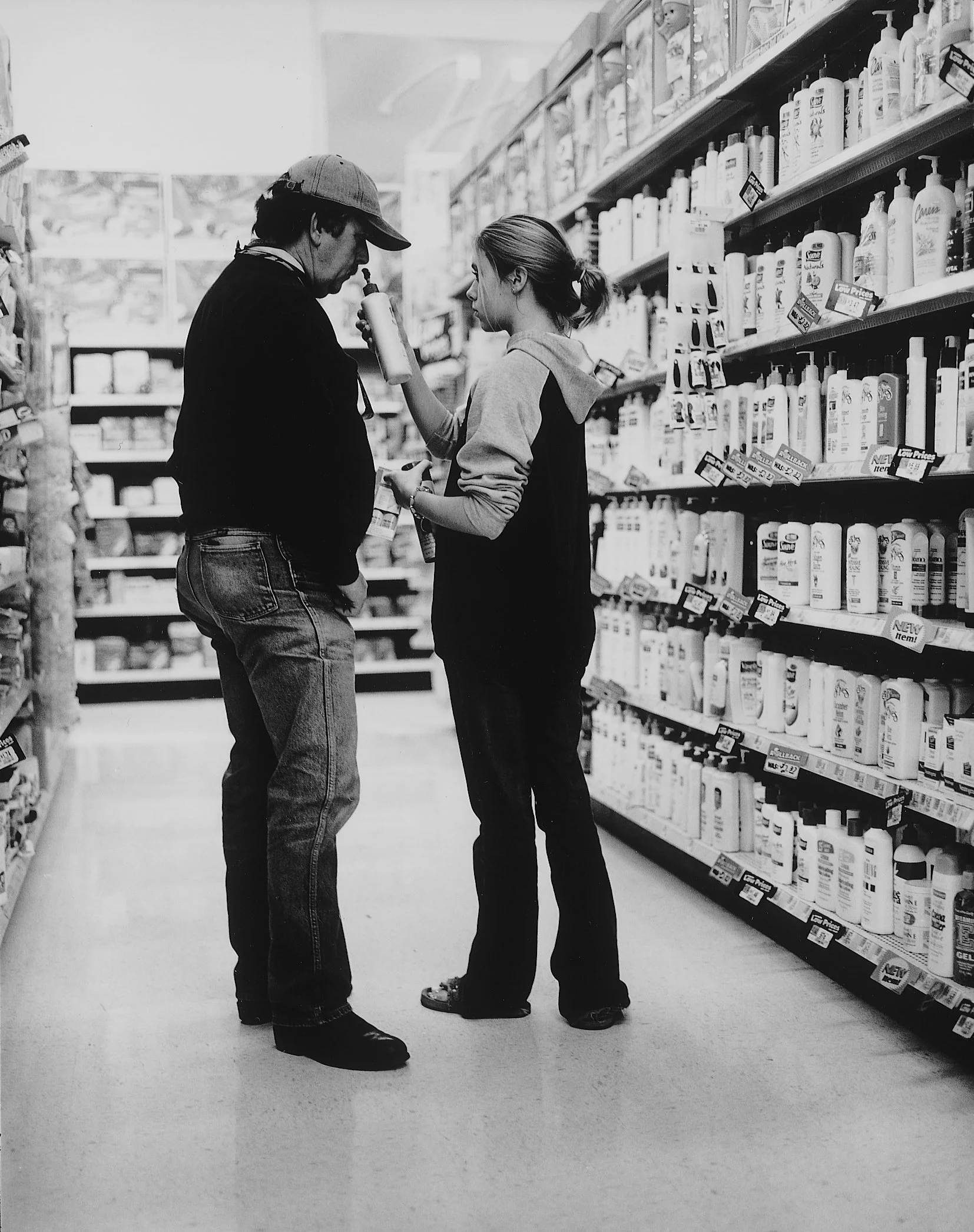
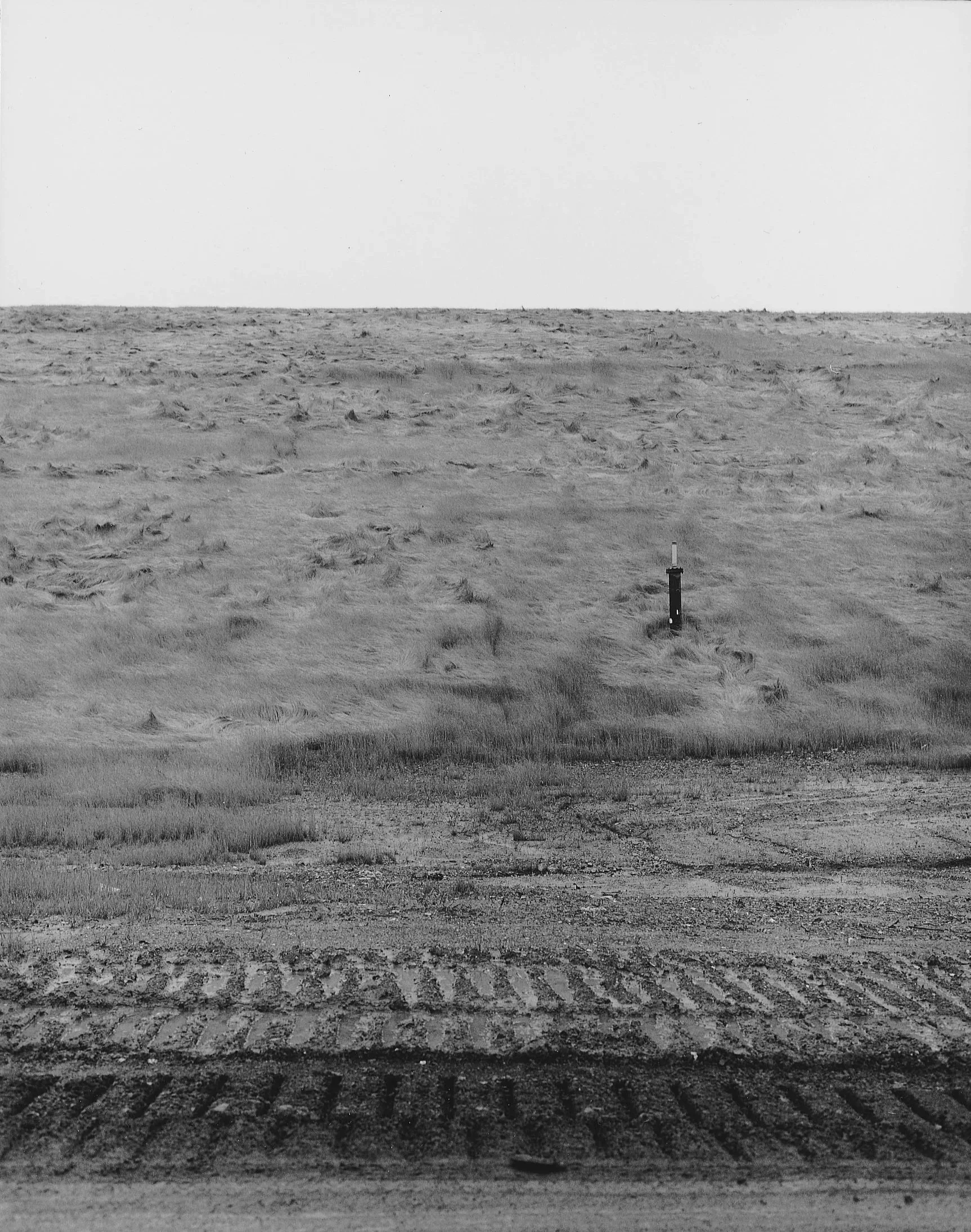
Consumer Culture (2002-2005).
“Our economy’s most voluminous product is waste …”
— Wendell Berry, from “The Agrarian Standard”
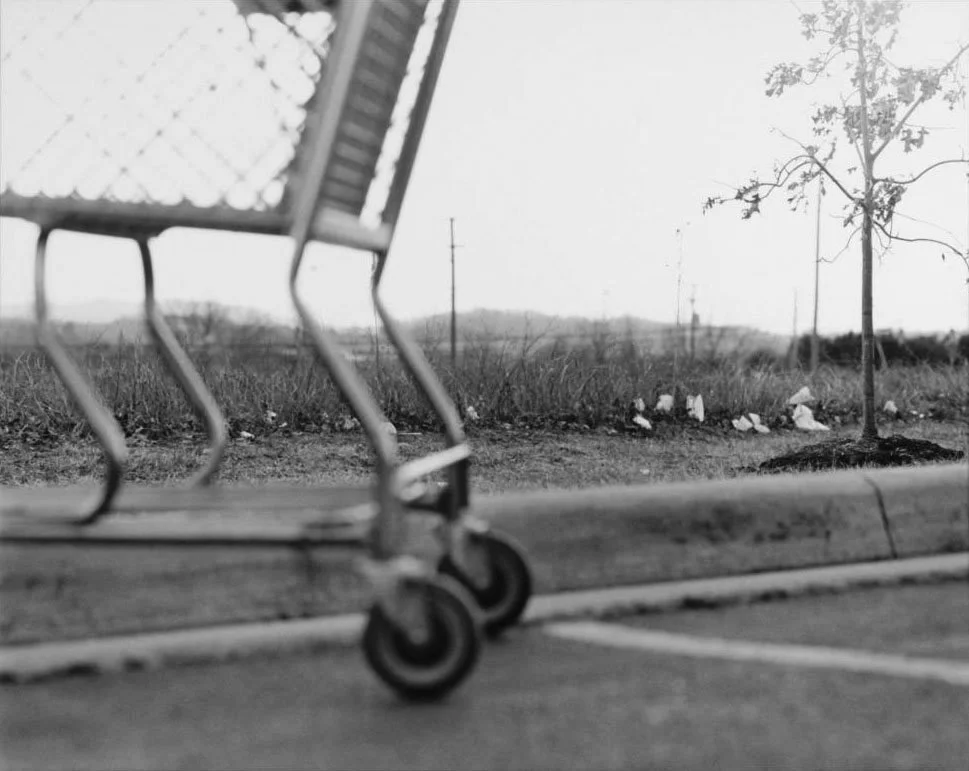
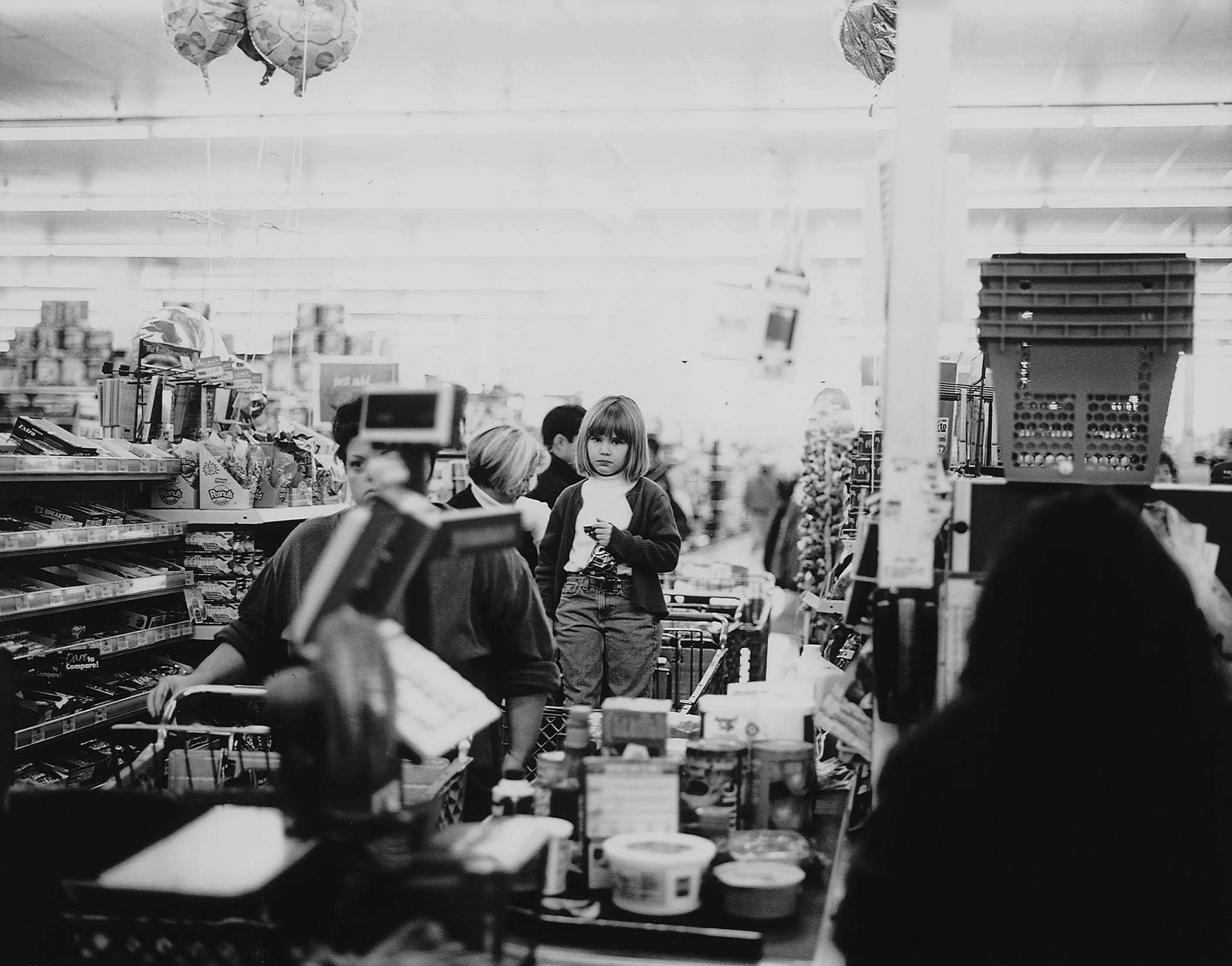
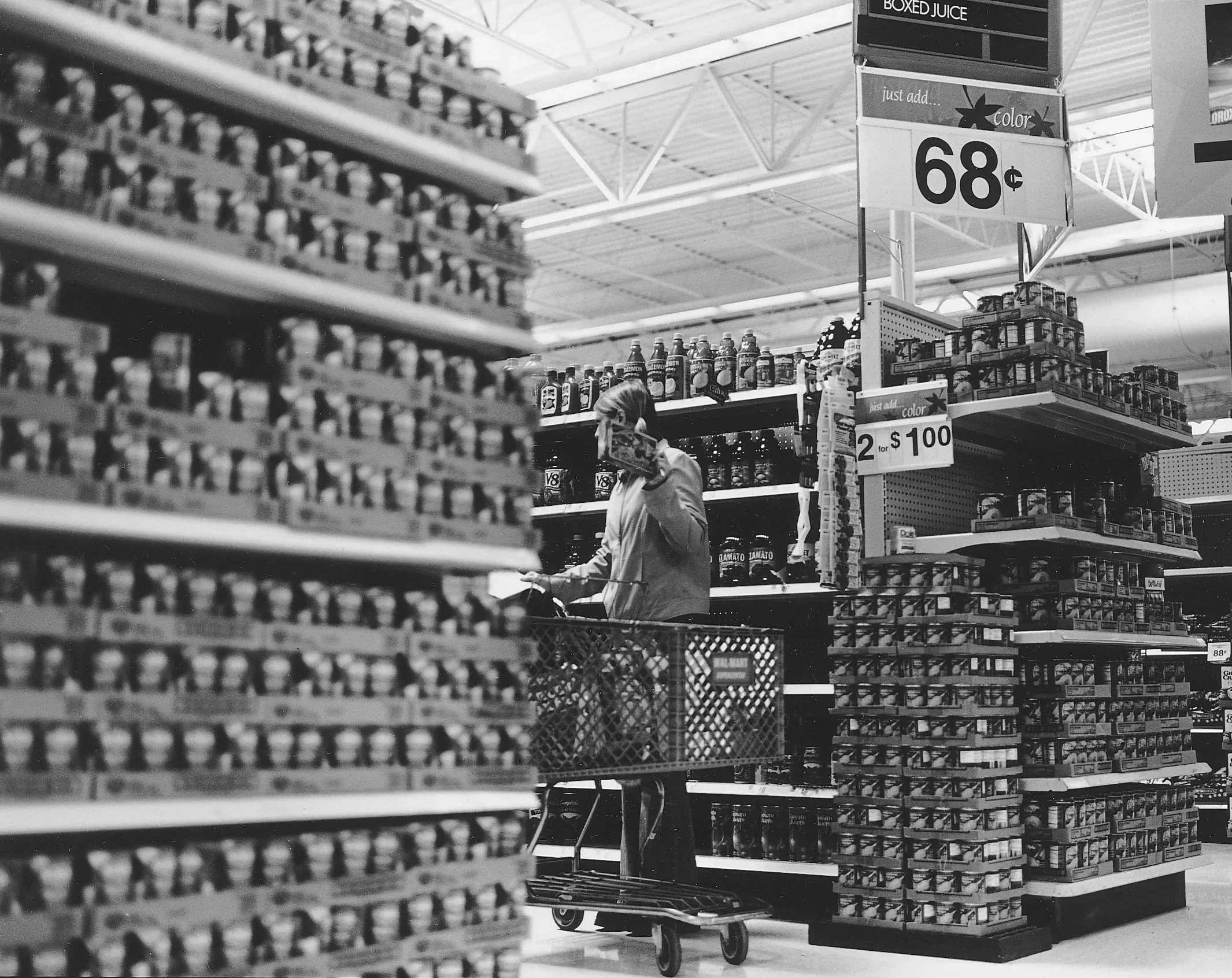
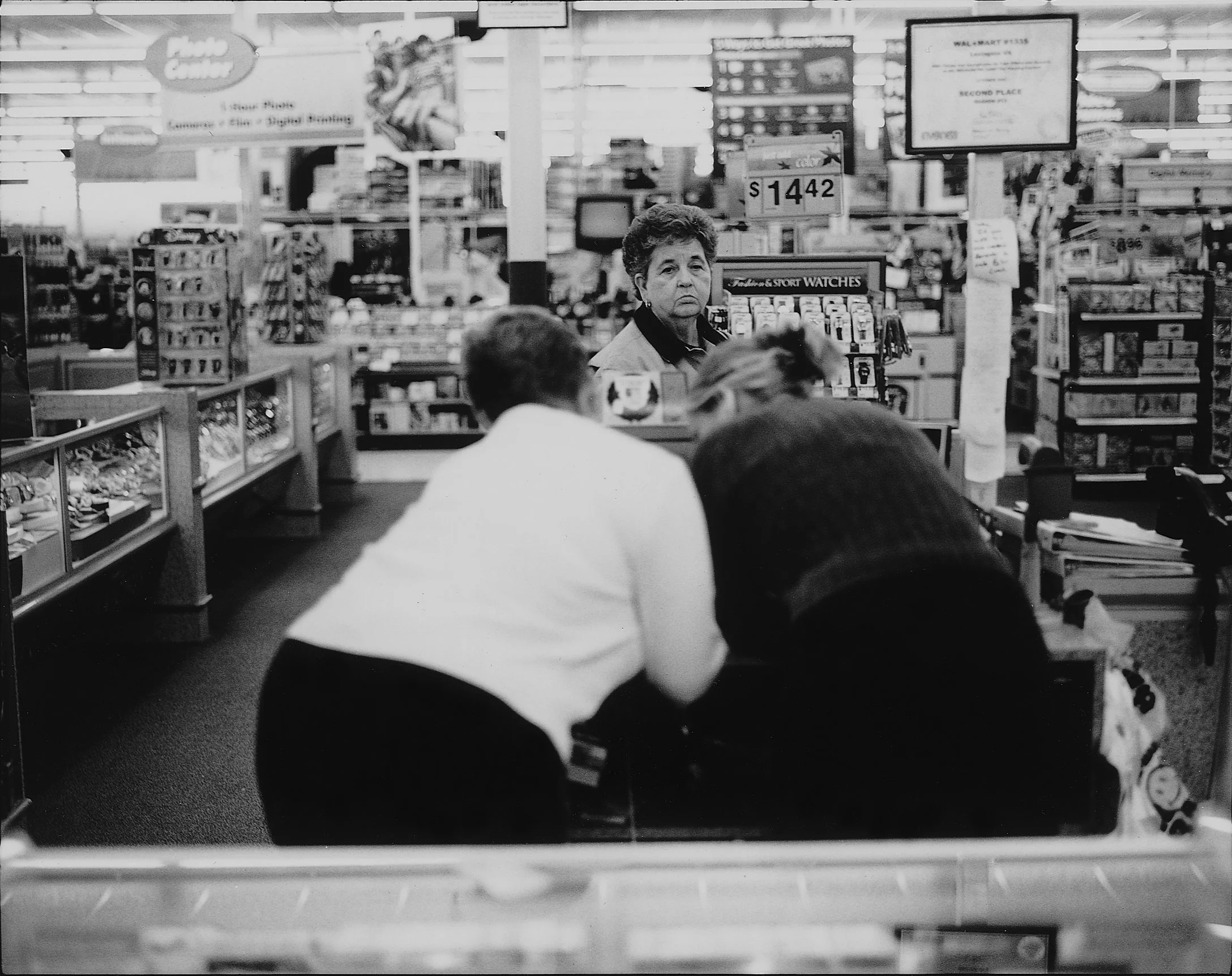
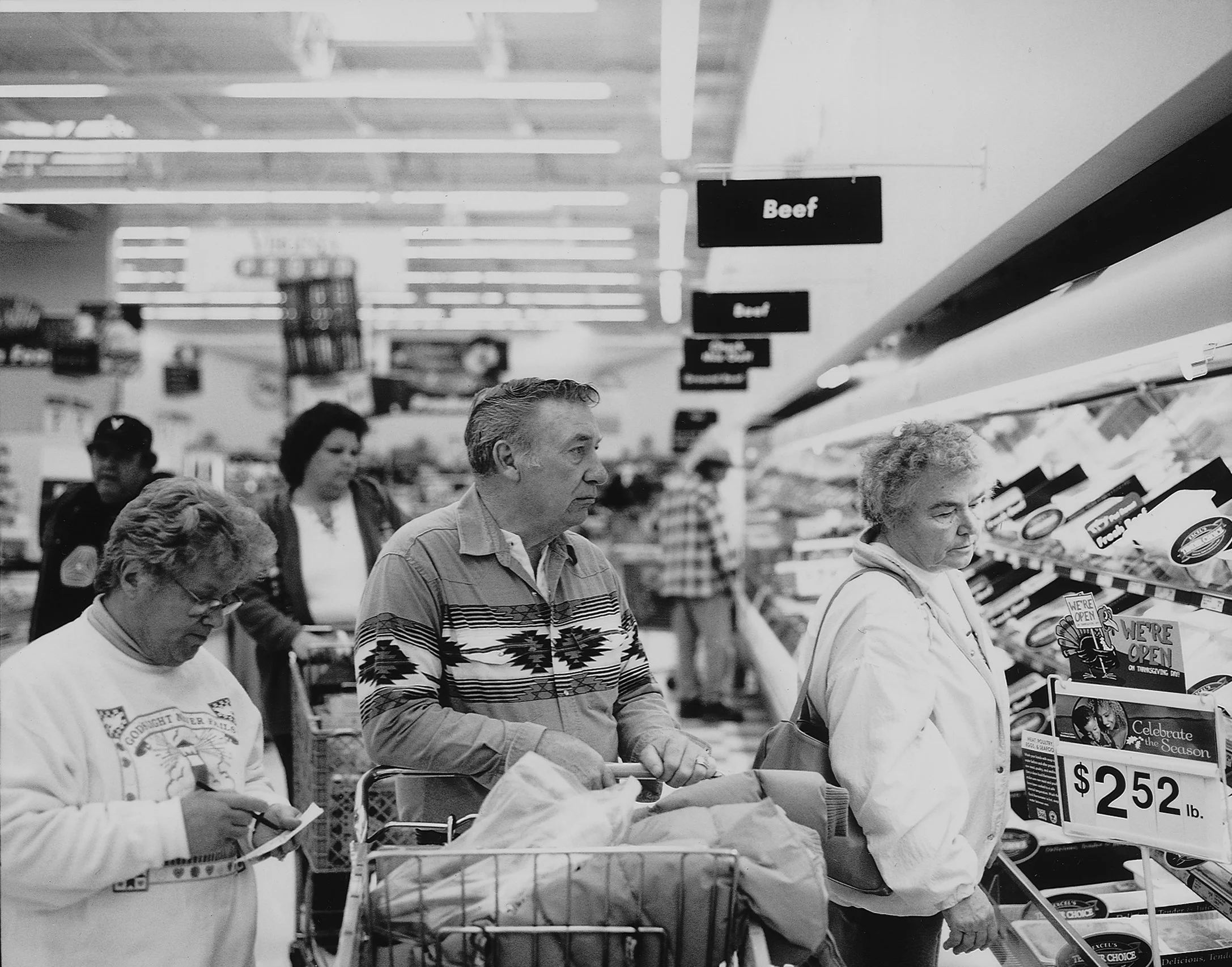
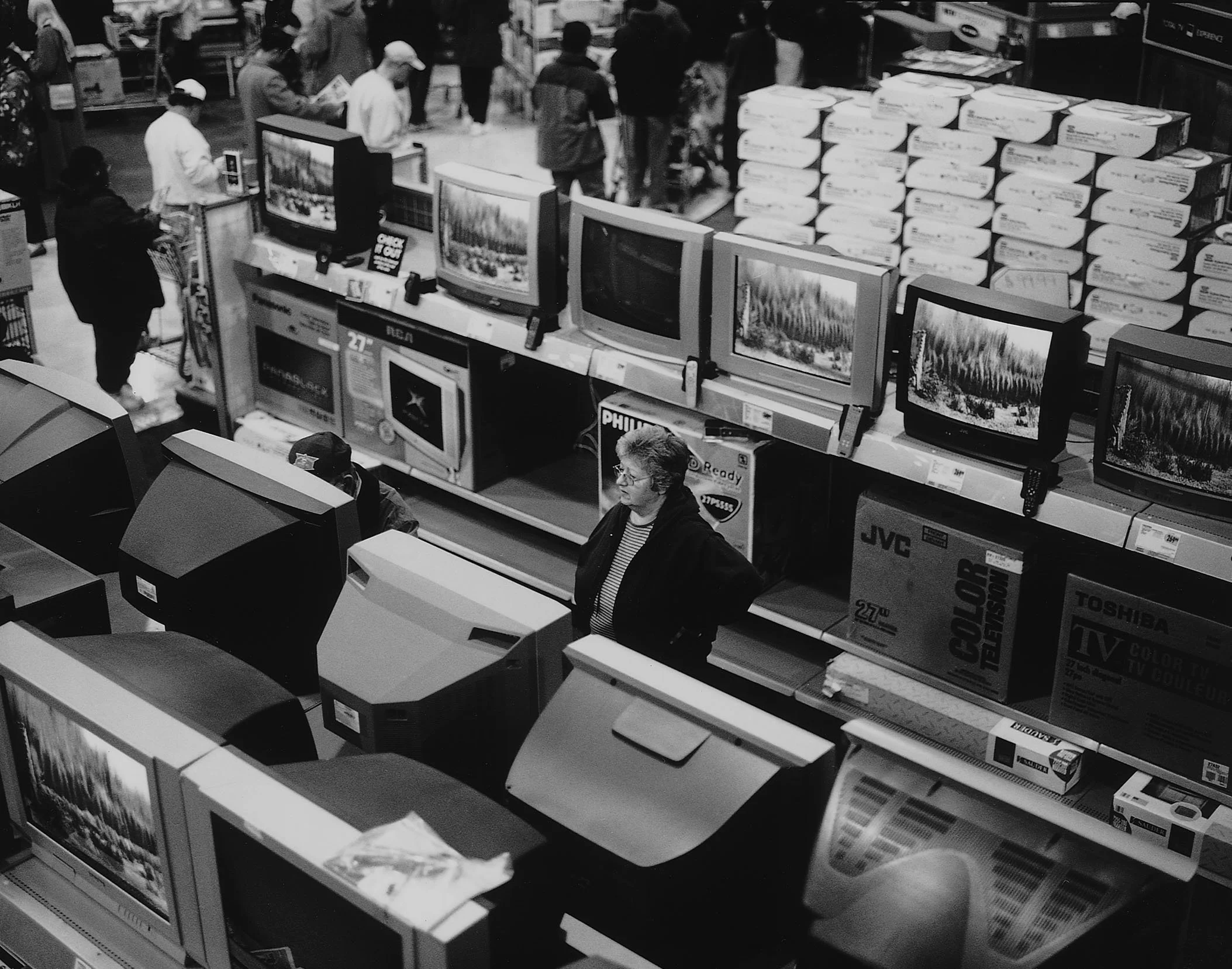
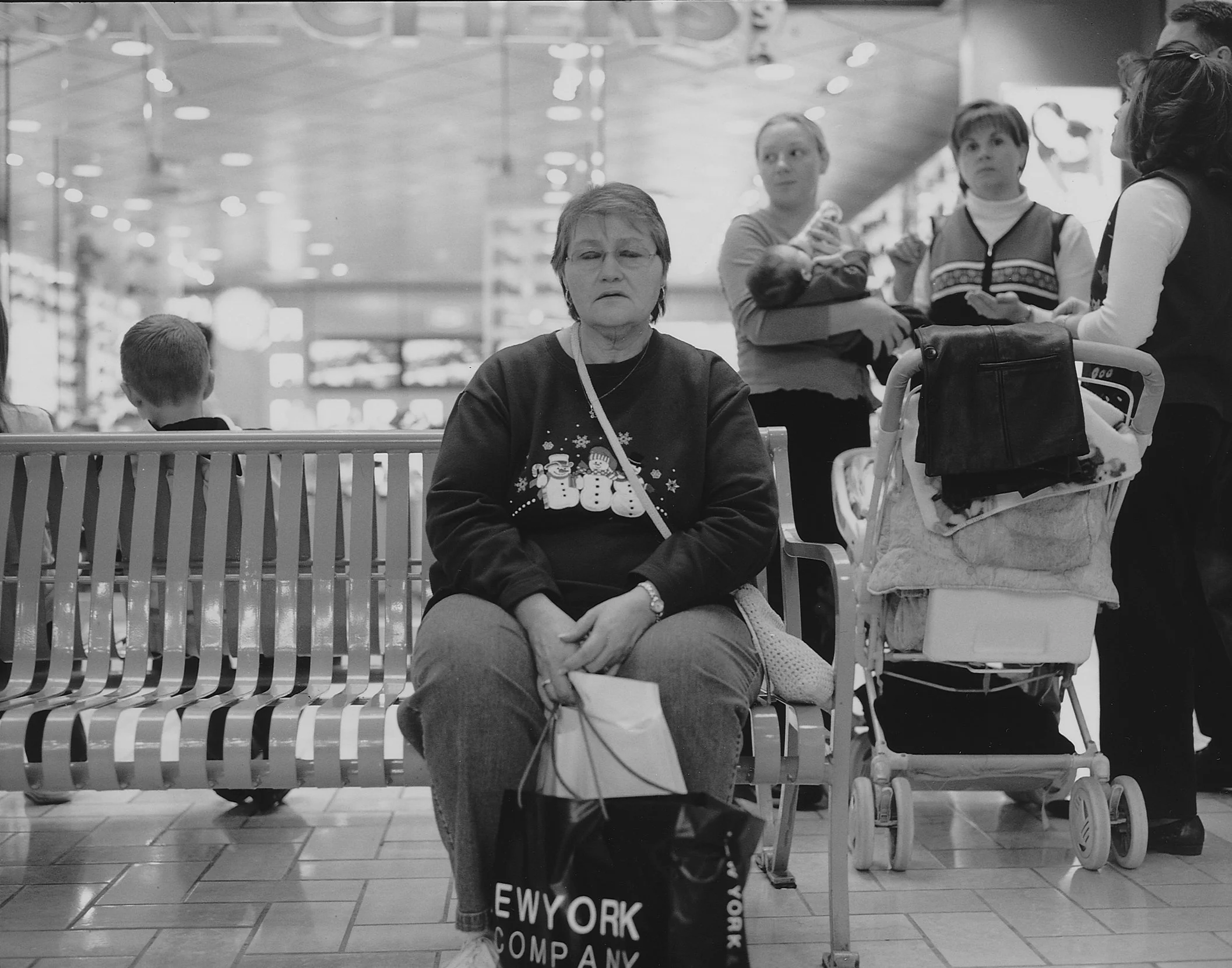
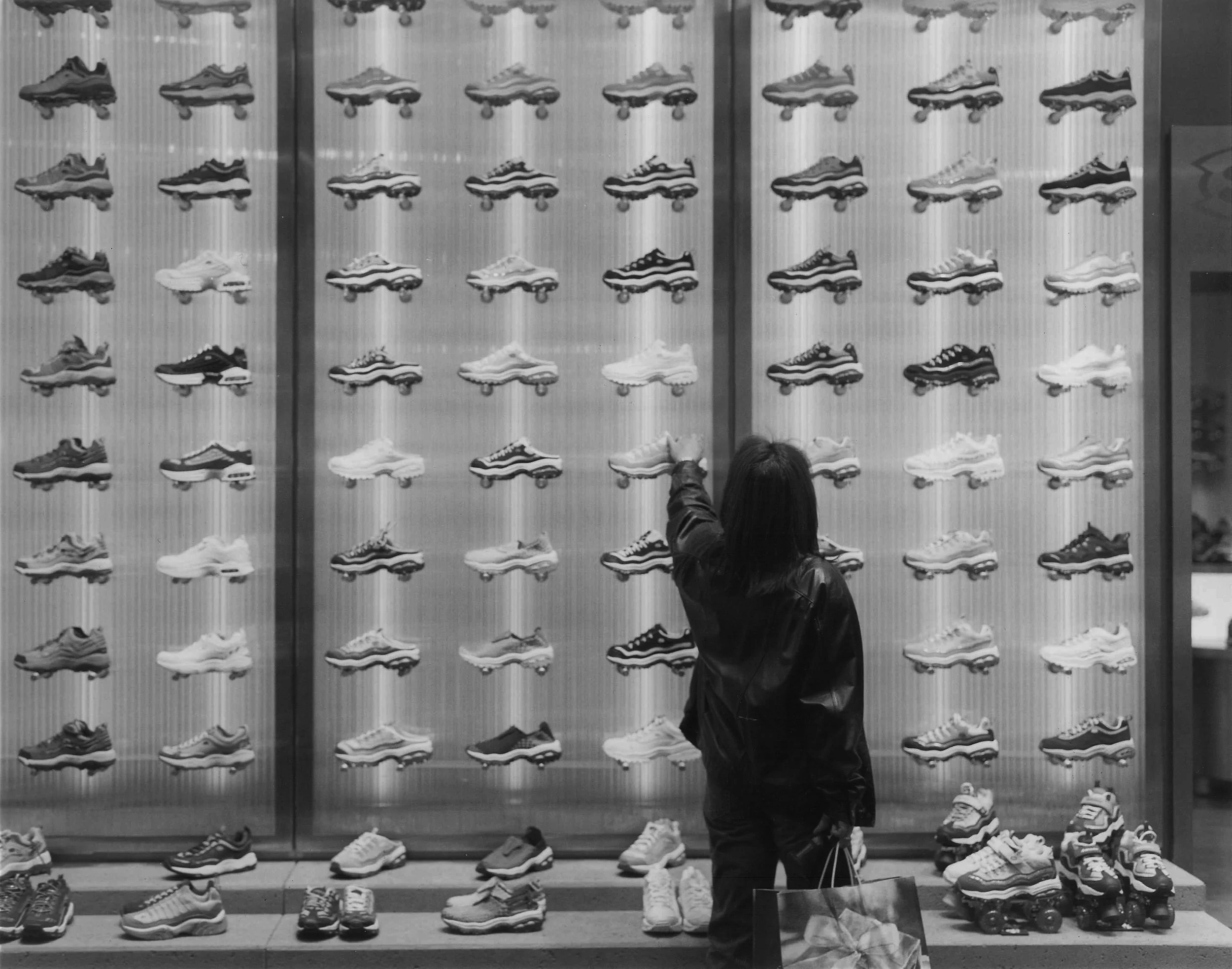
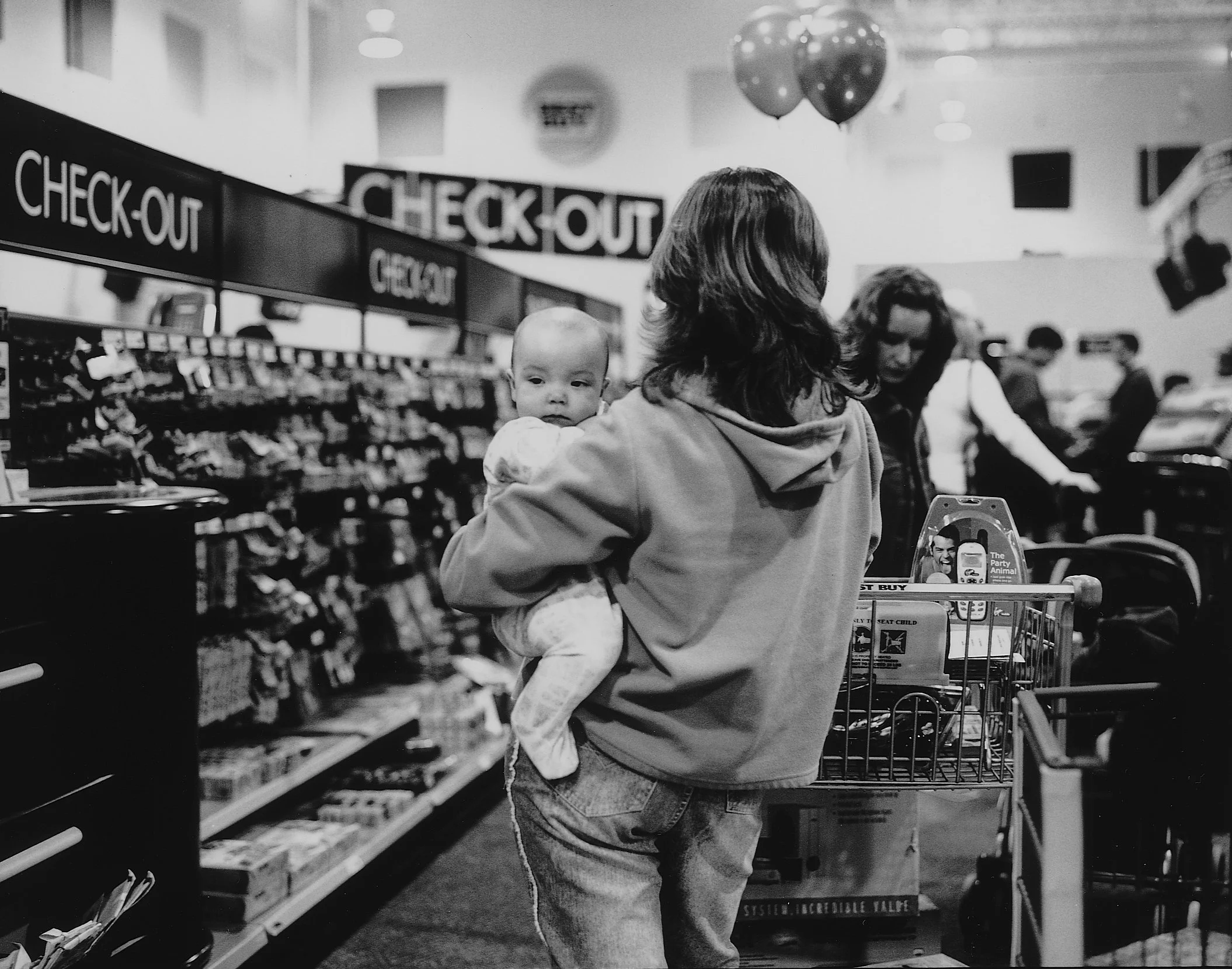
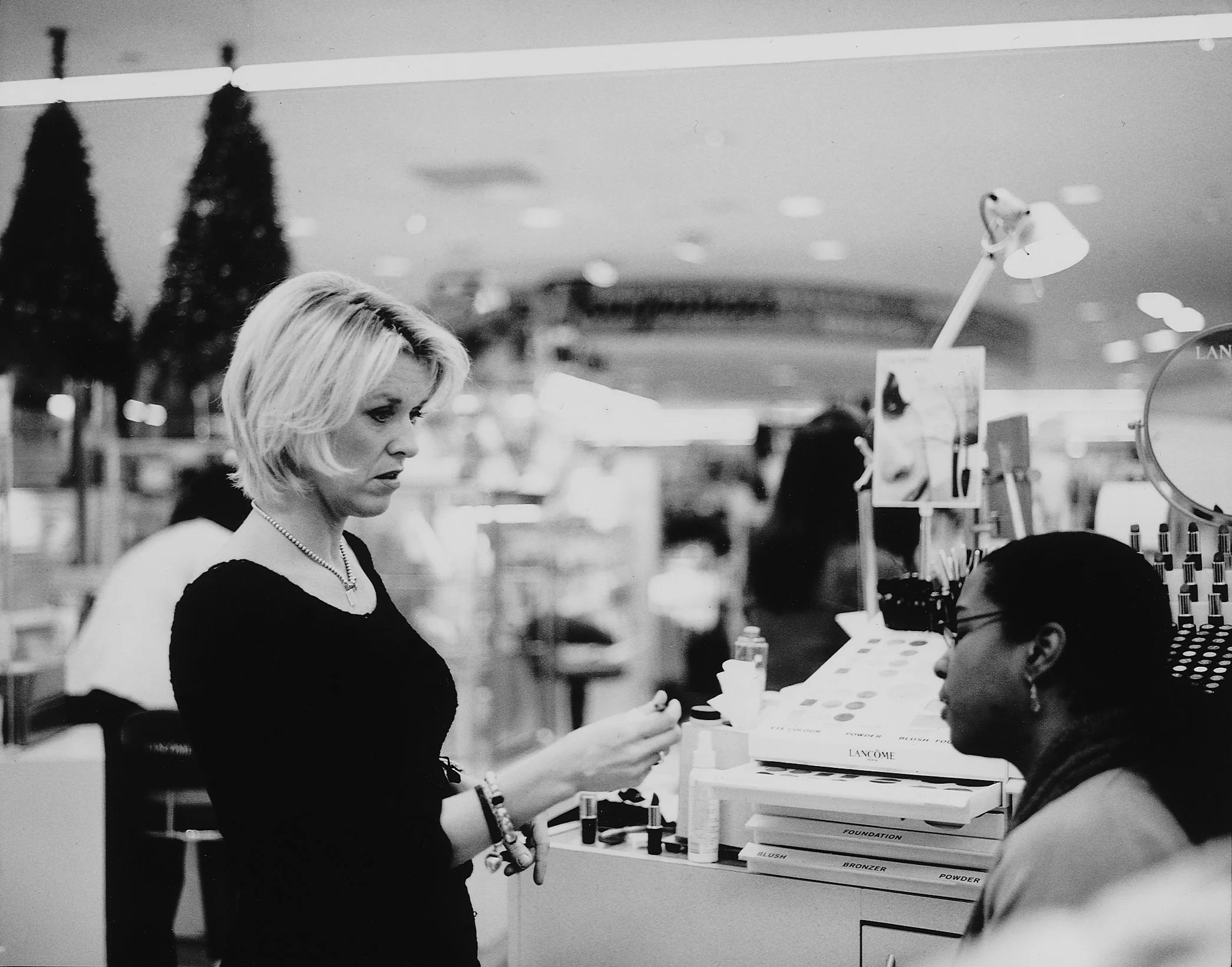
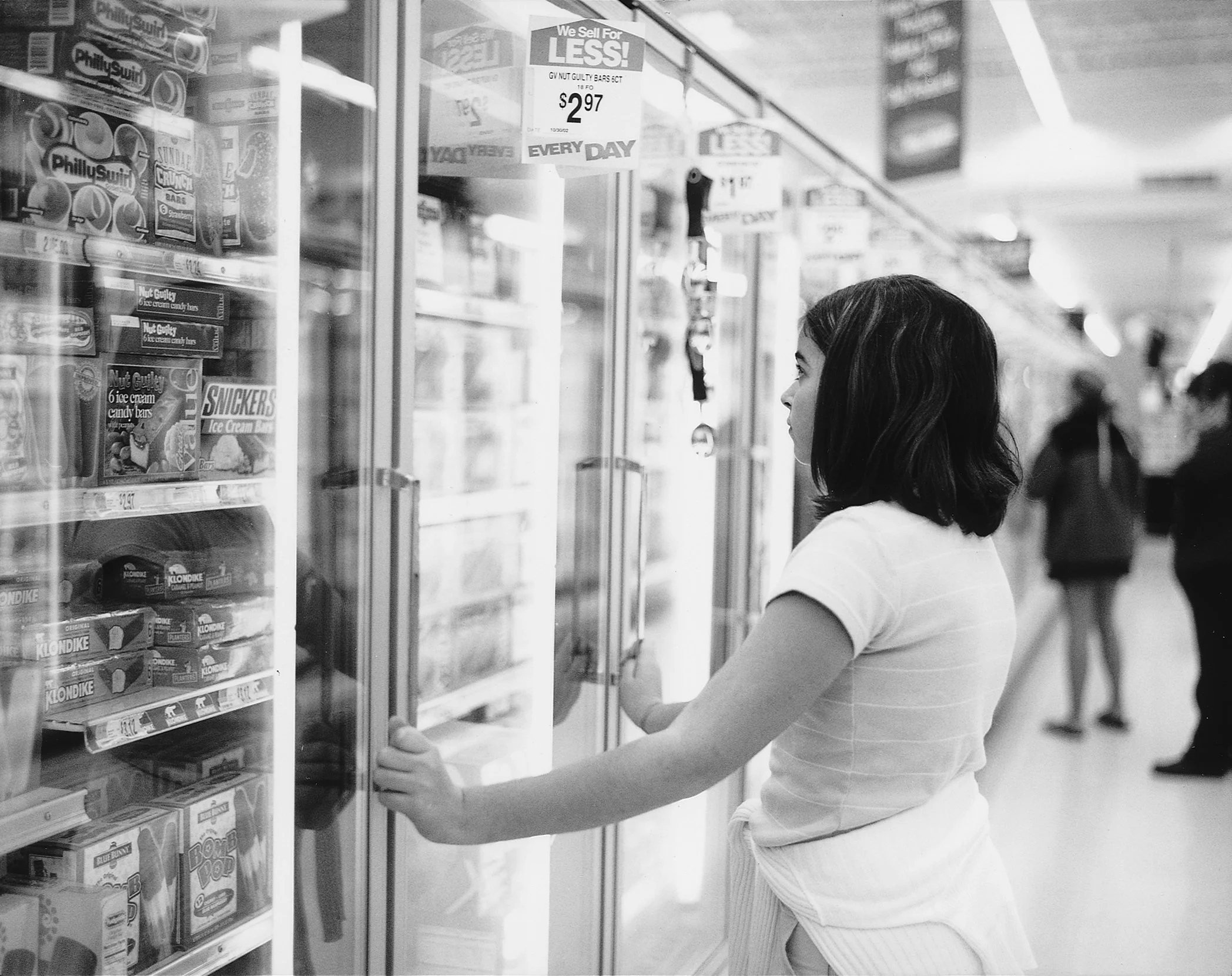
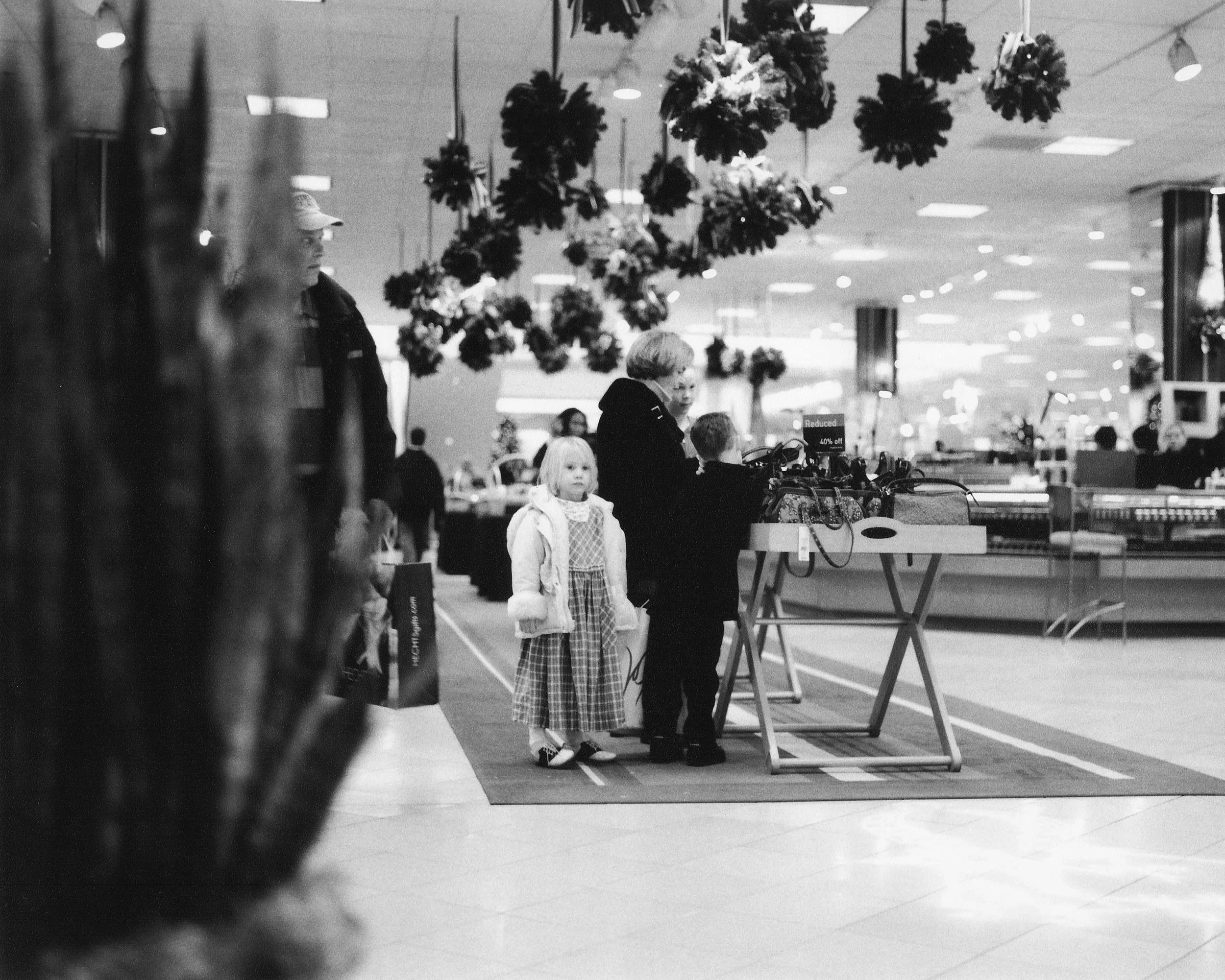
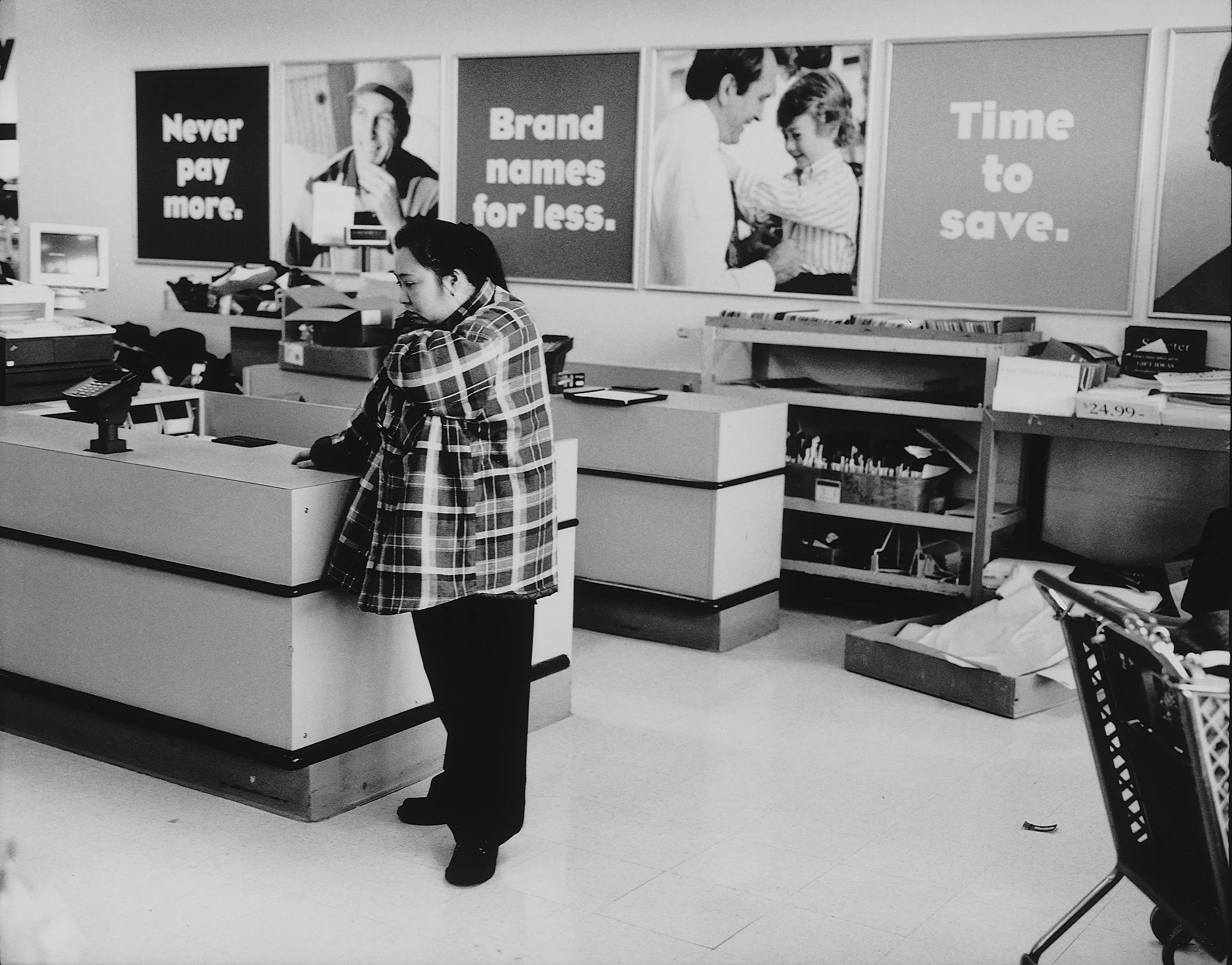
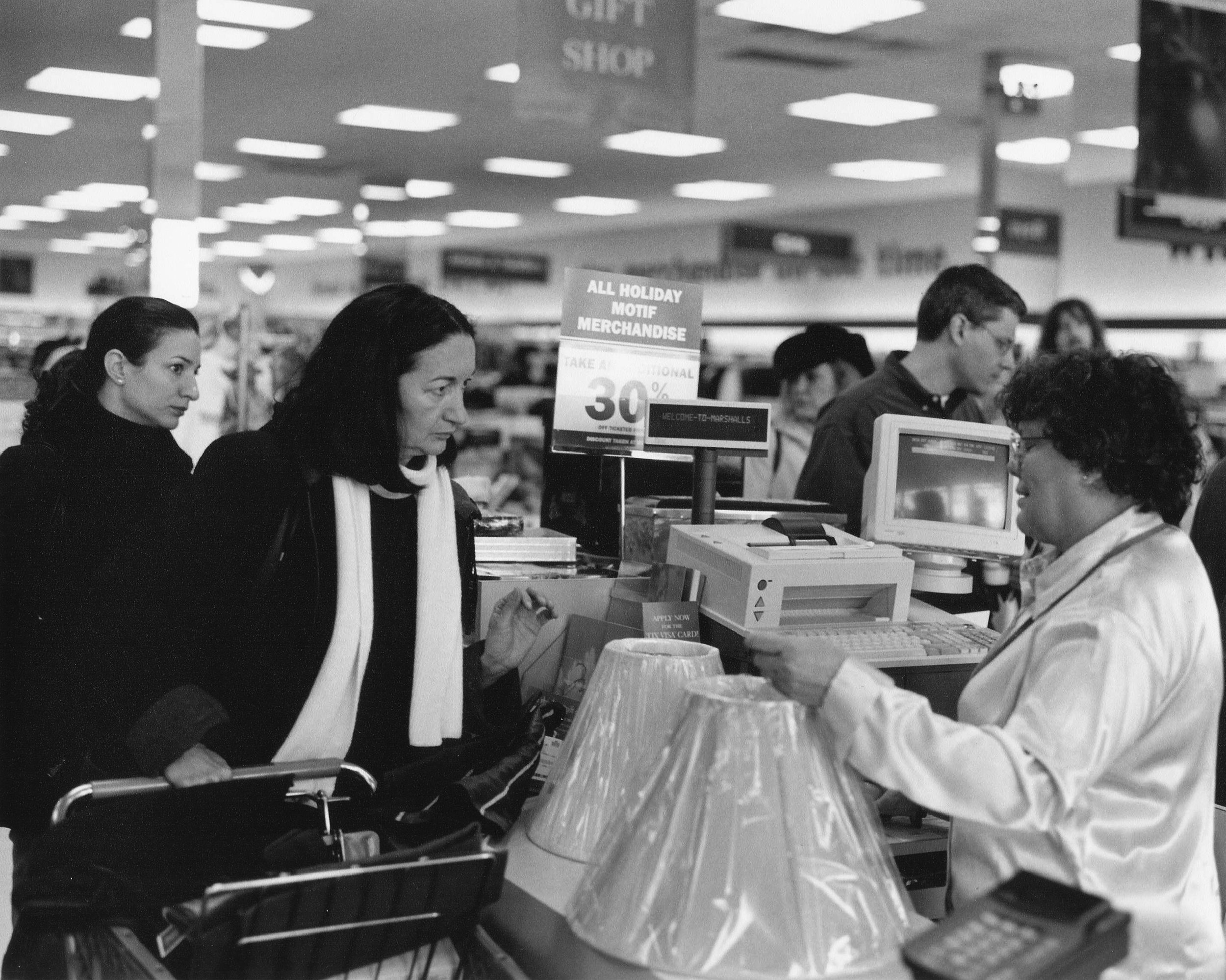
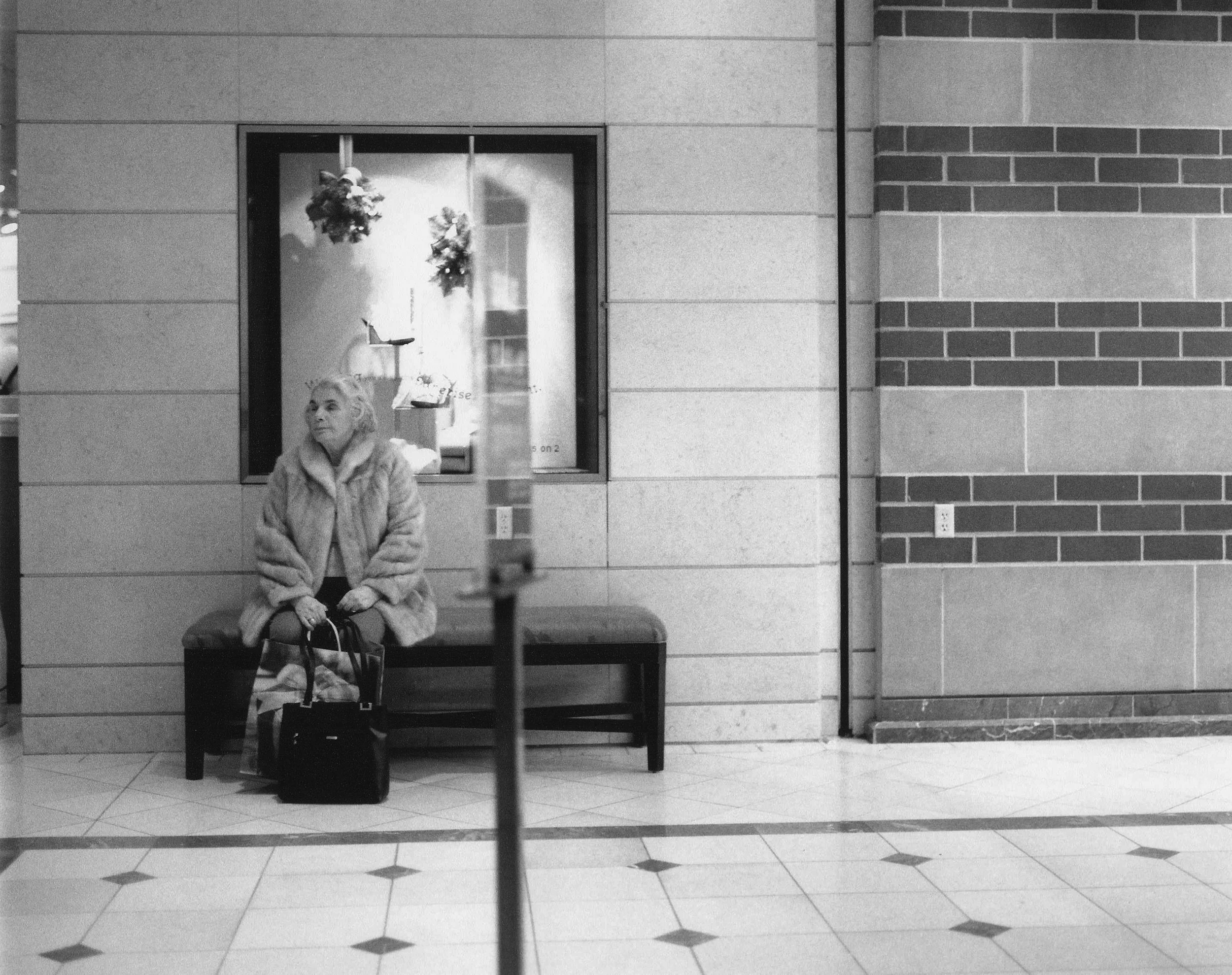
This series of pictures began with a single, offhand photograph of a woman, shopping. Her face spoke of a distinctly modern exhaustion, tinged with something akin to sorrow, an expression long-familiar to me as a child of American suburbs.
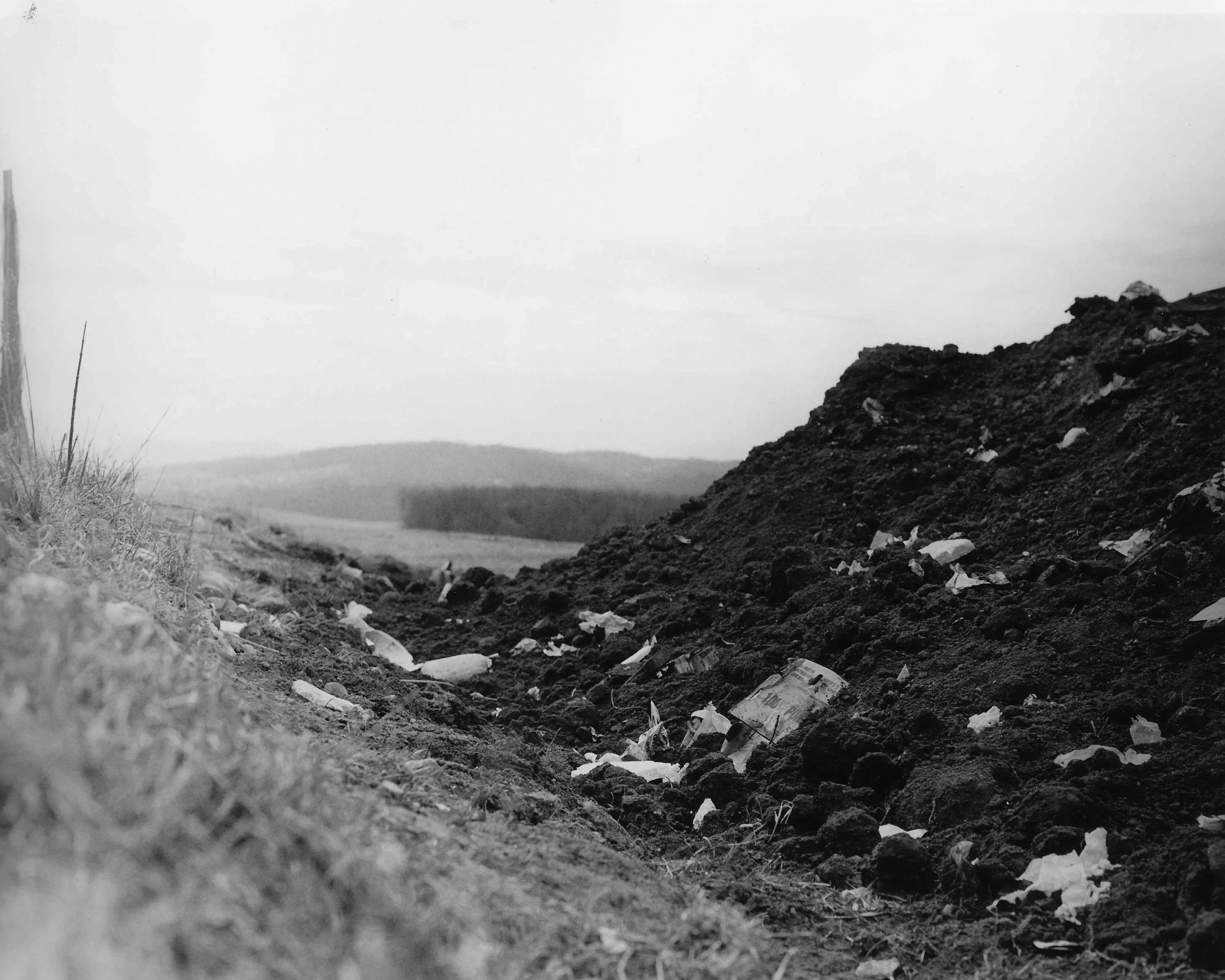
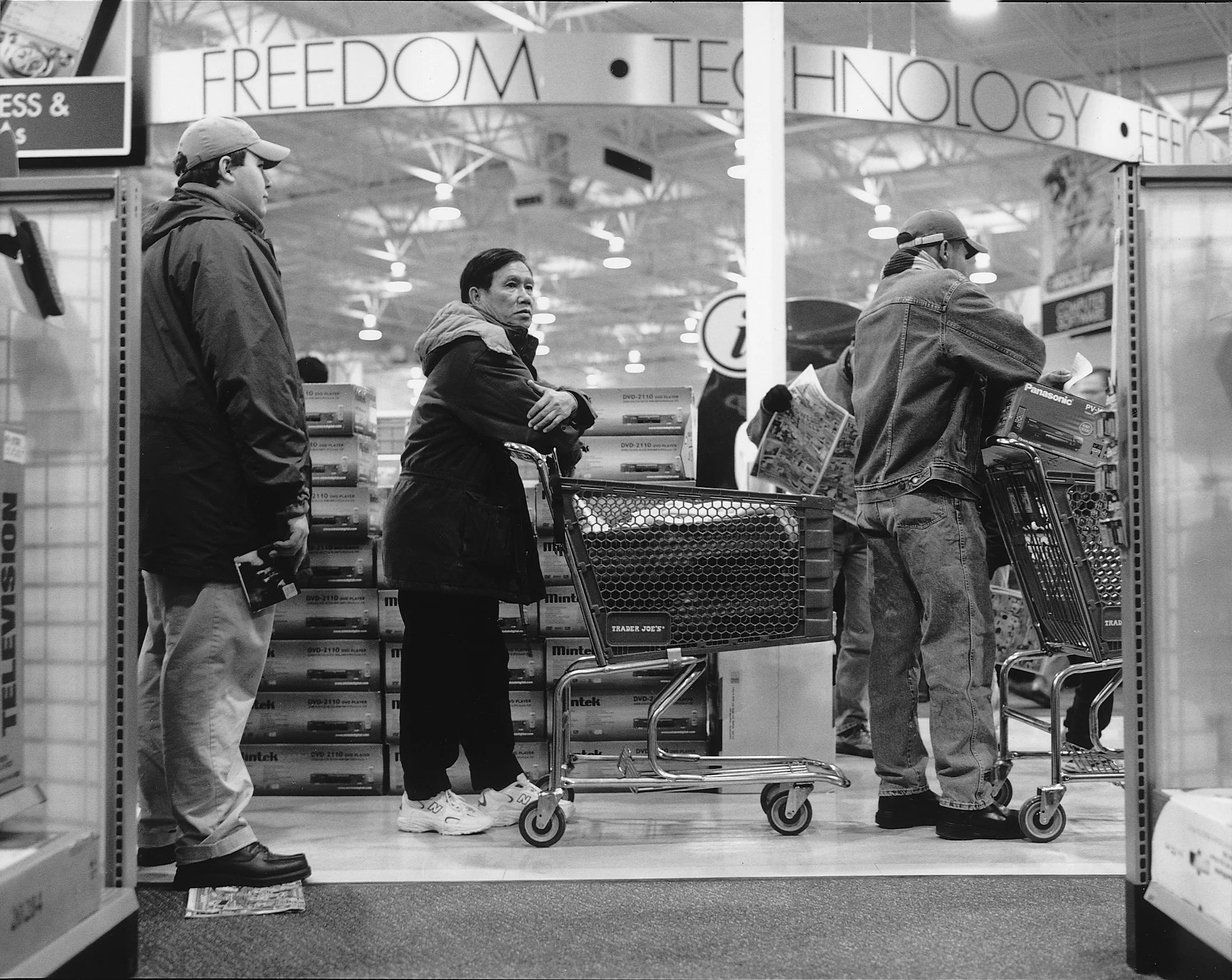
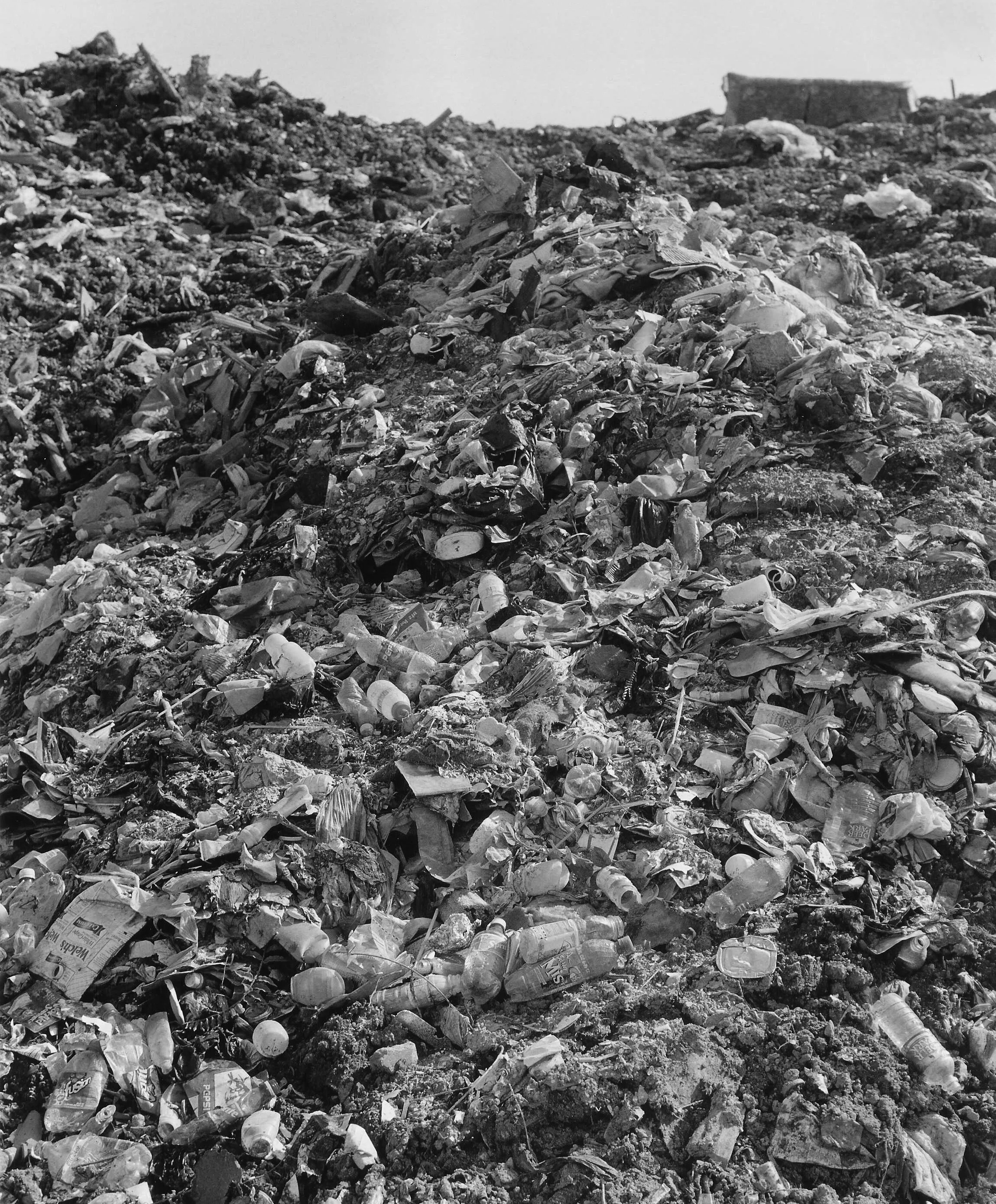
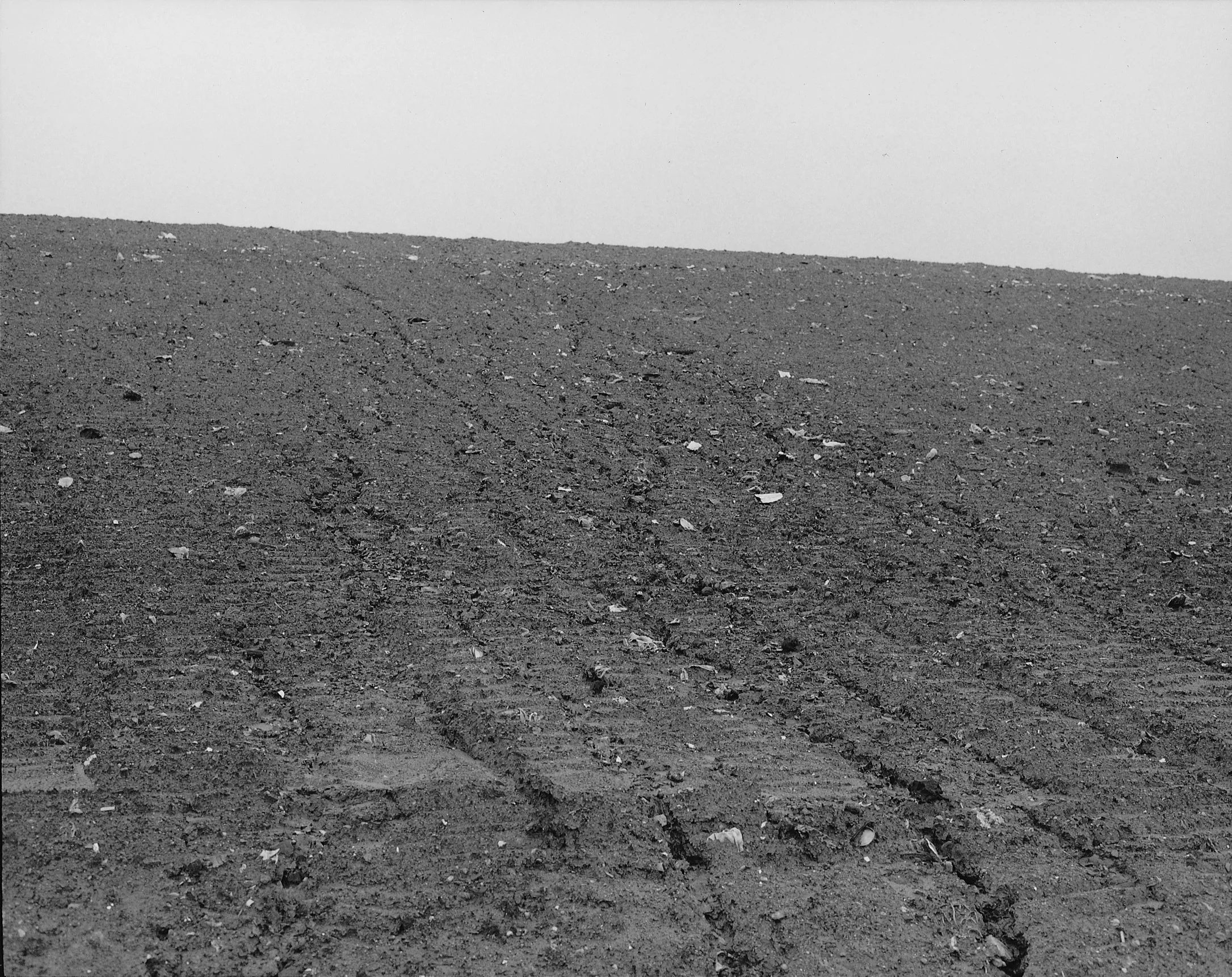
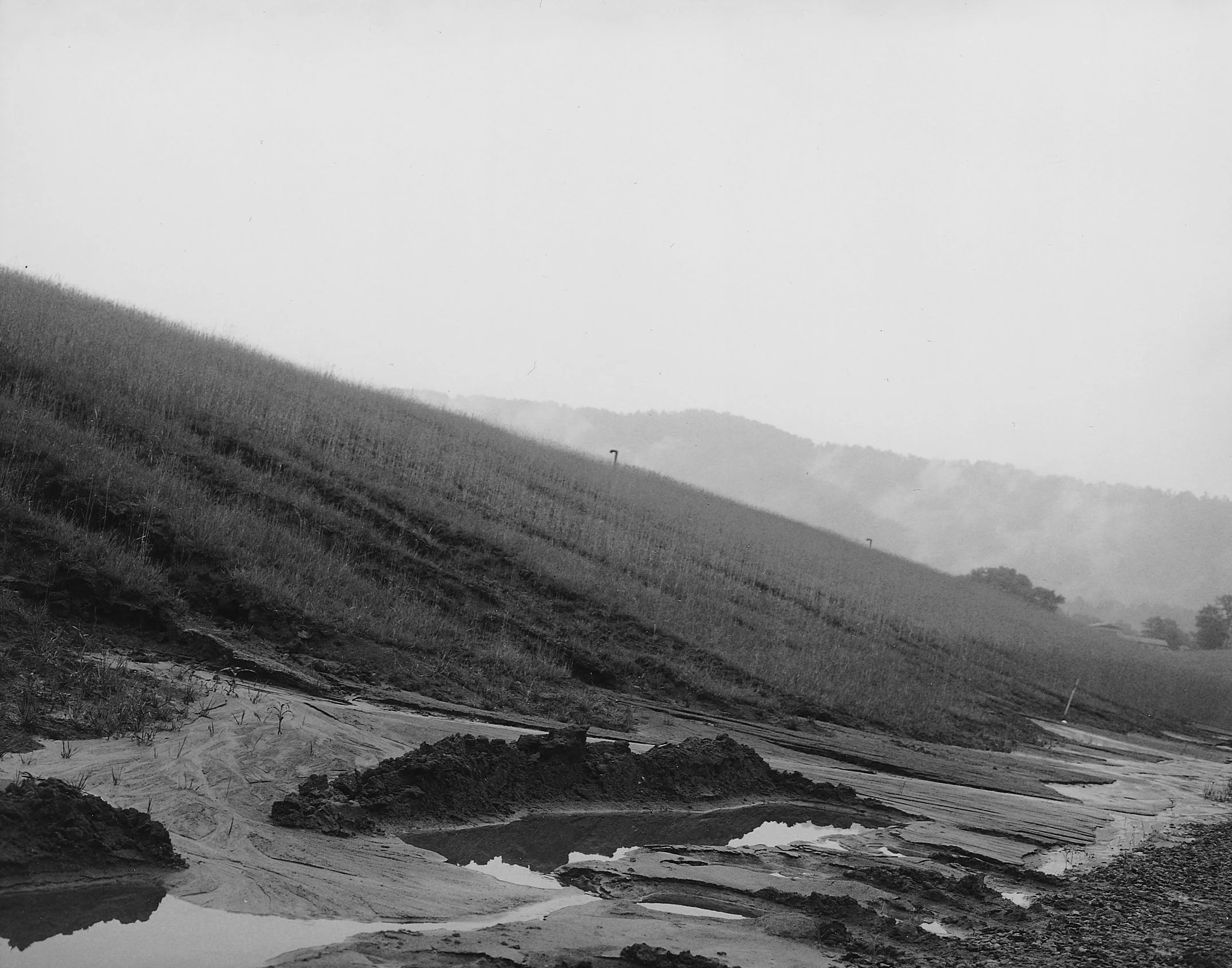
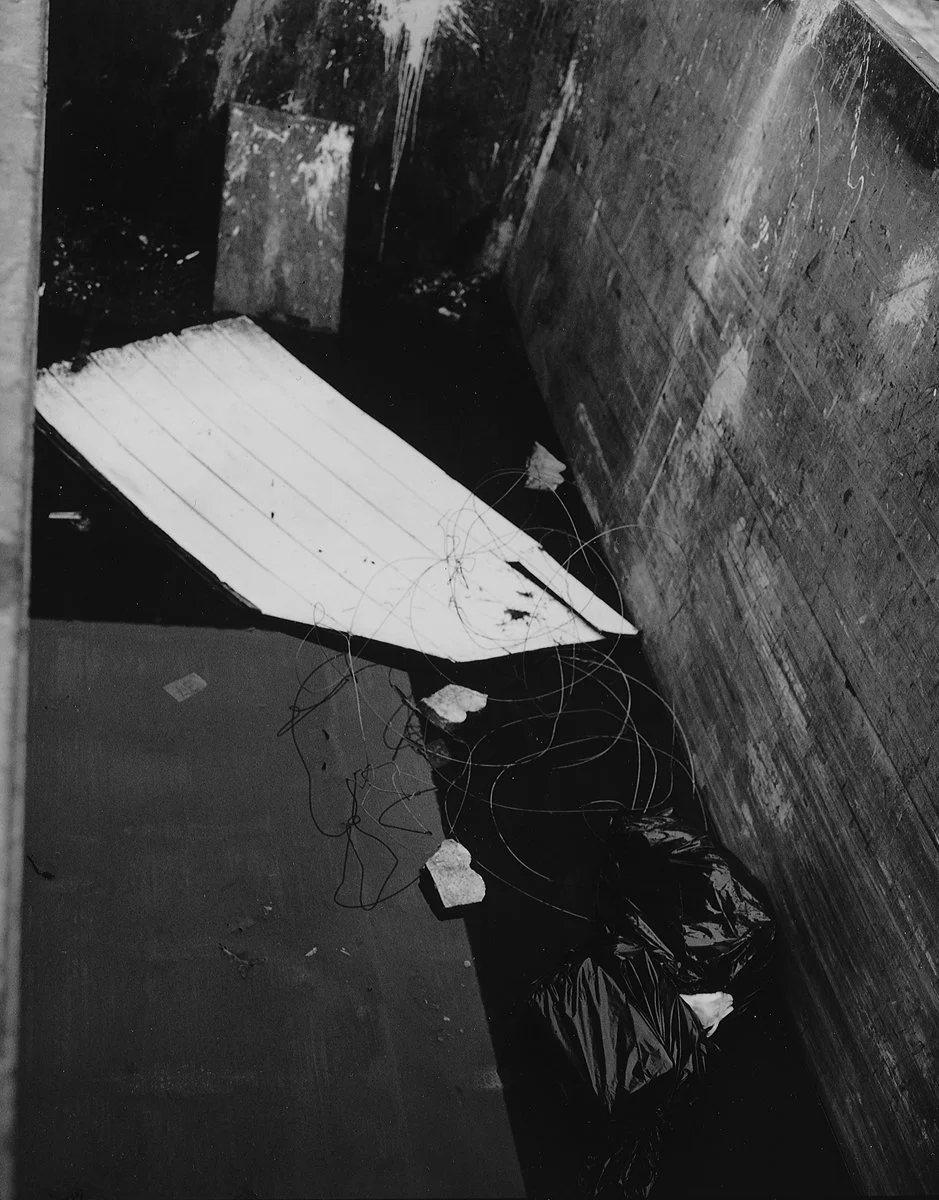
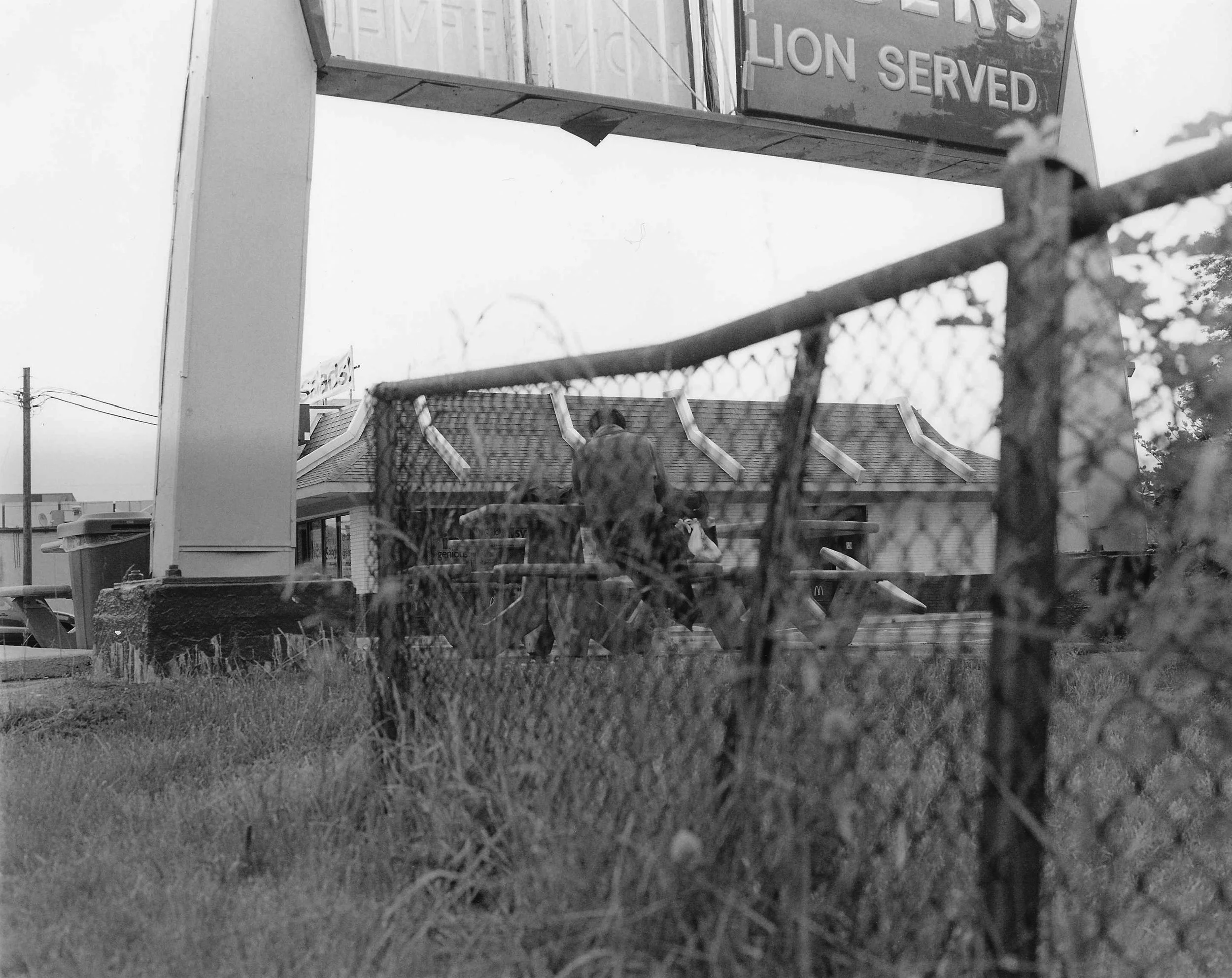
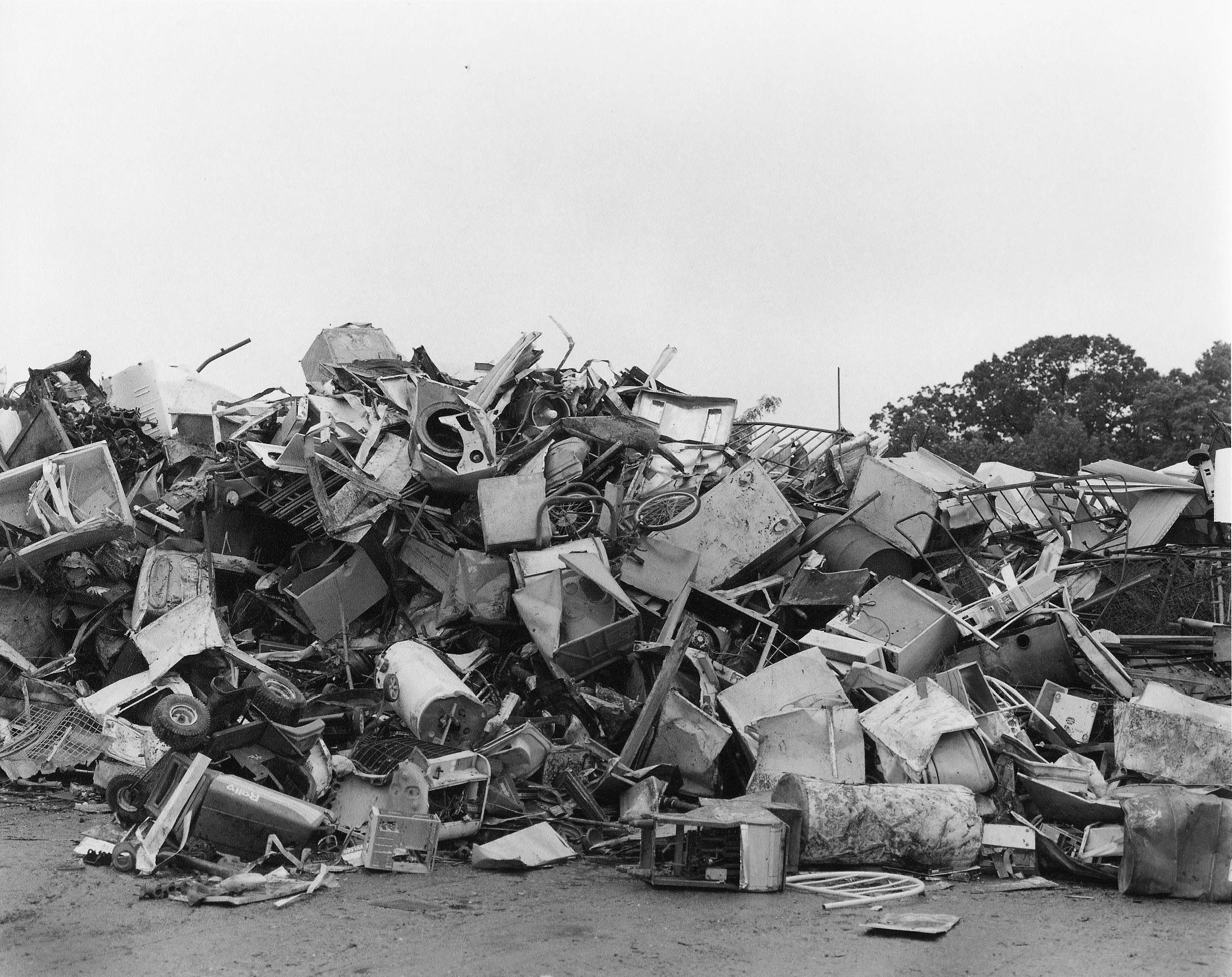
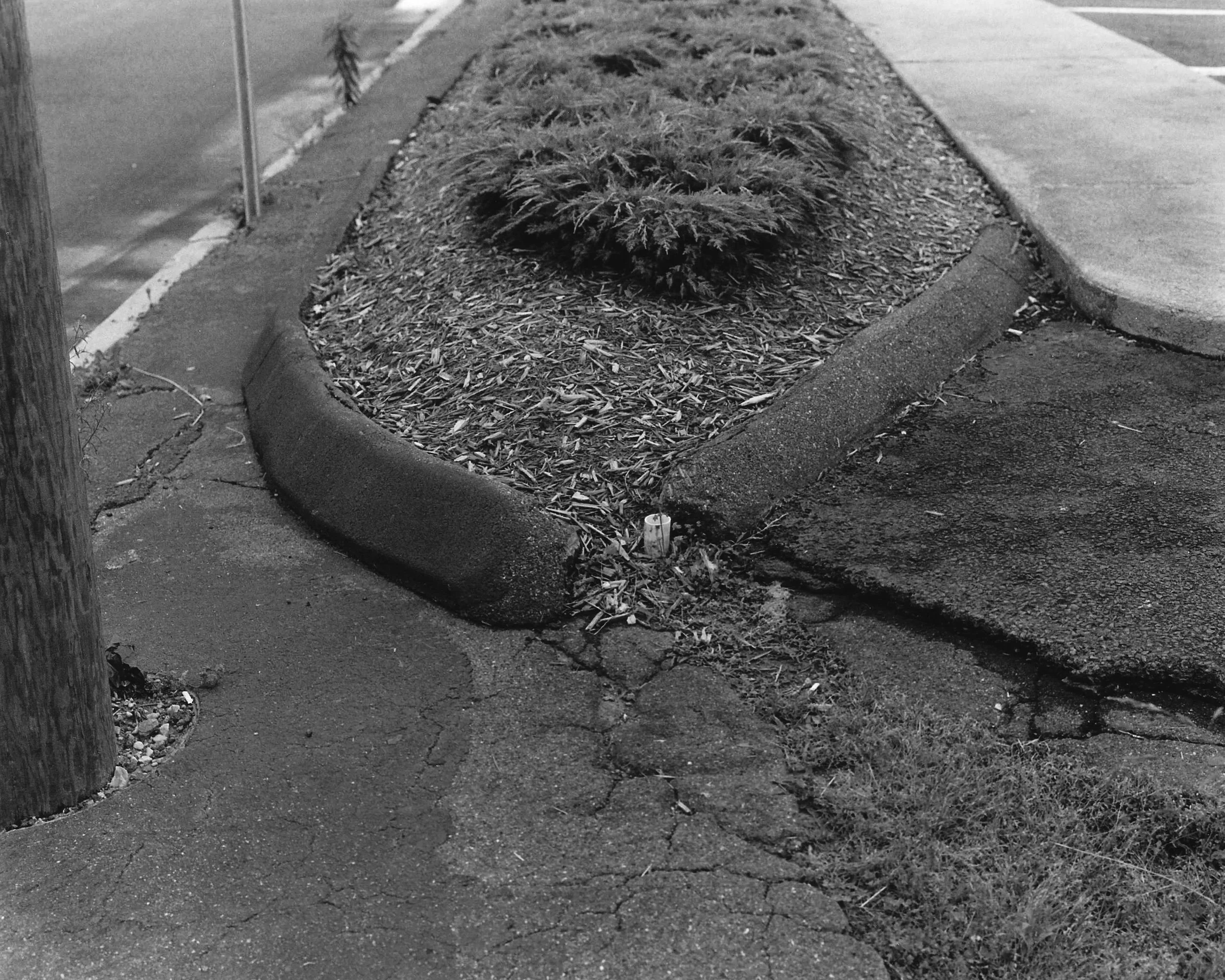
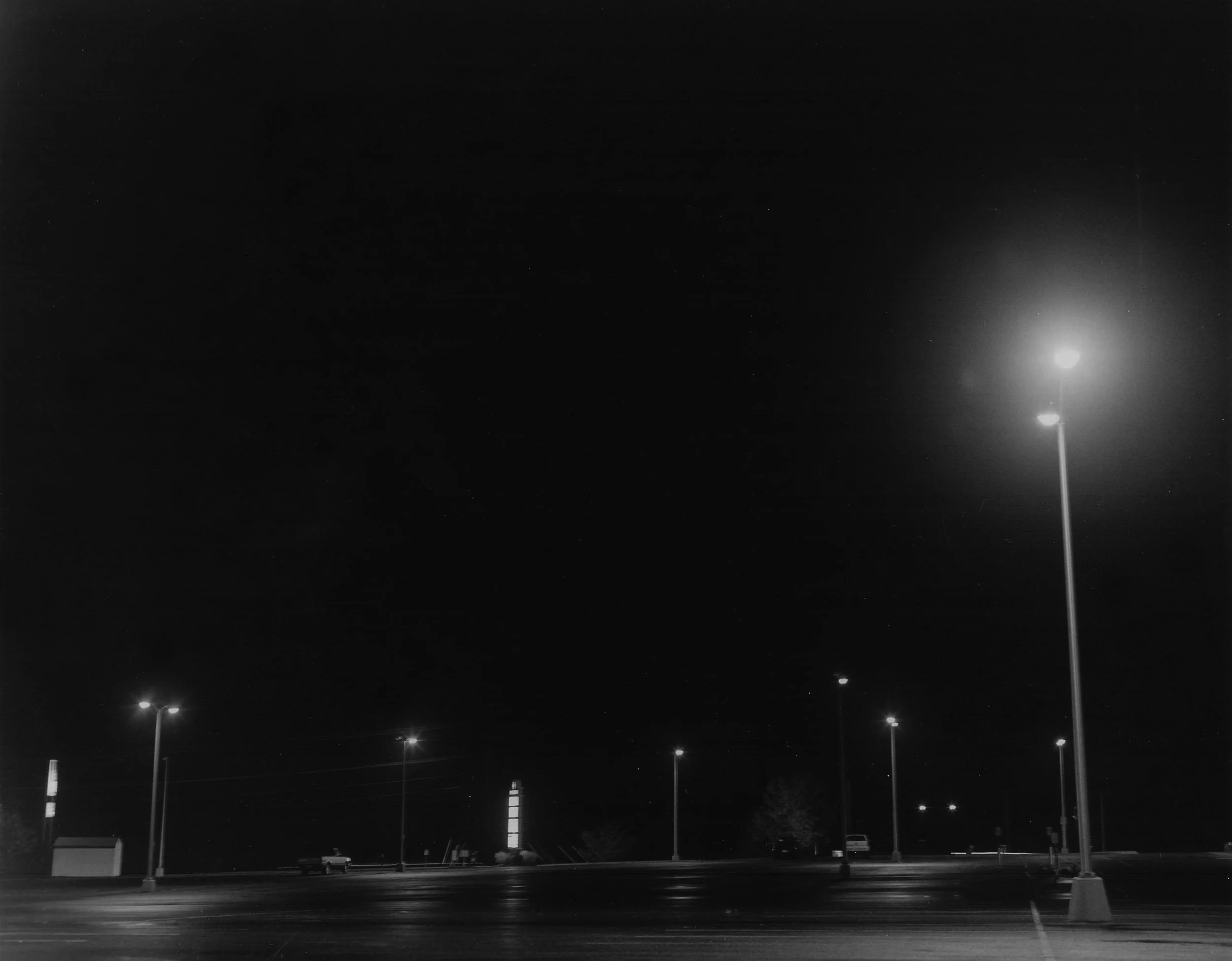
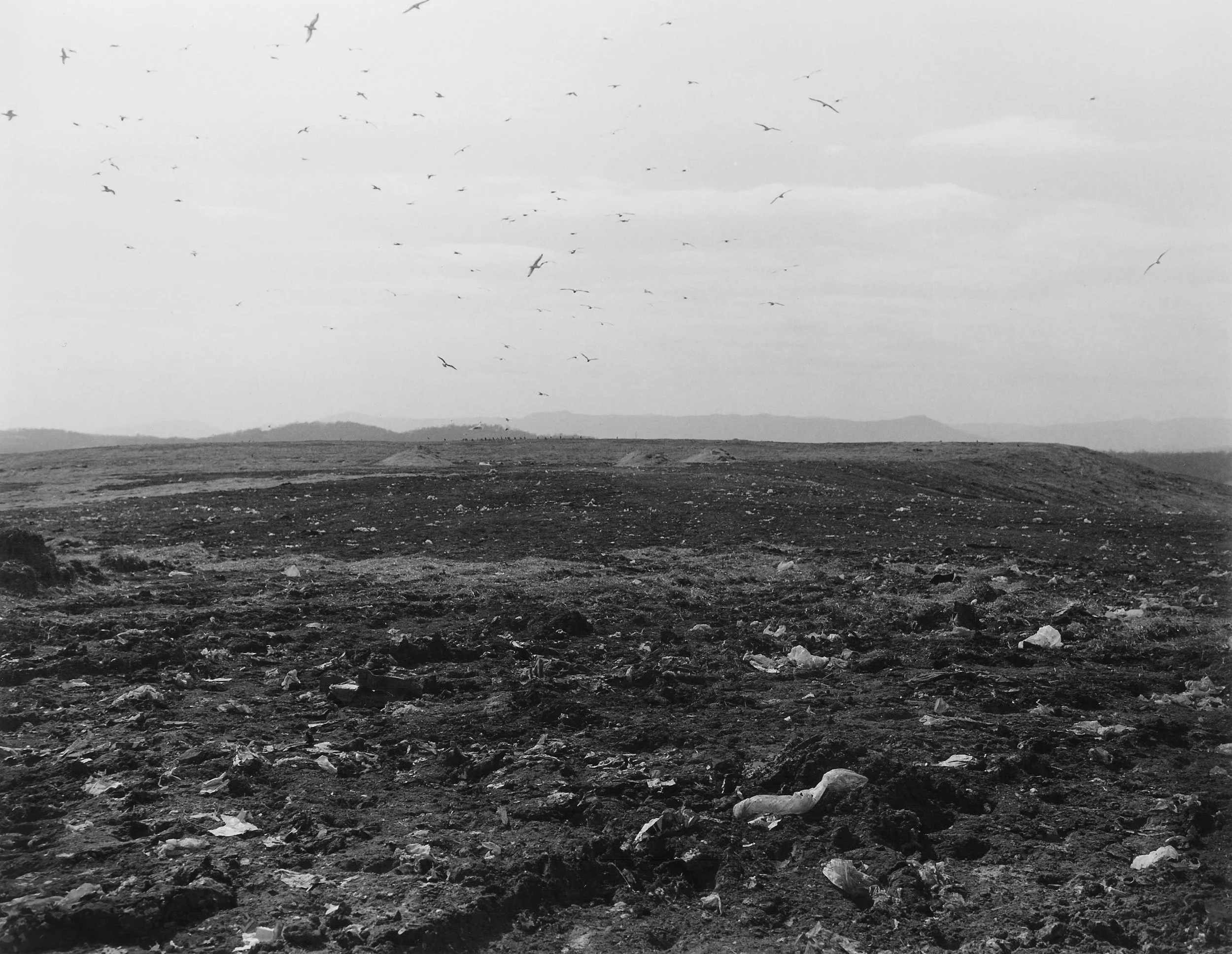
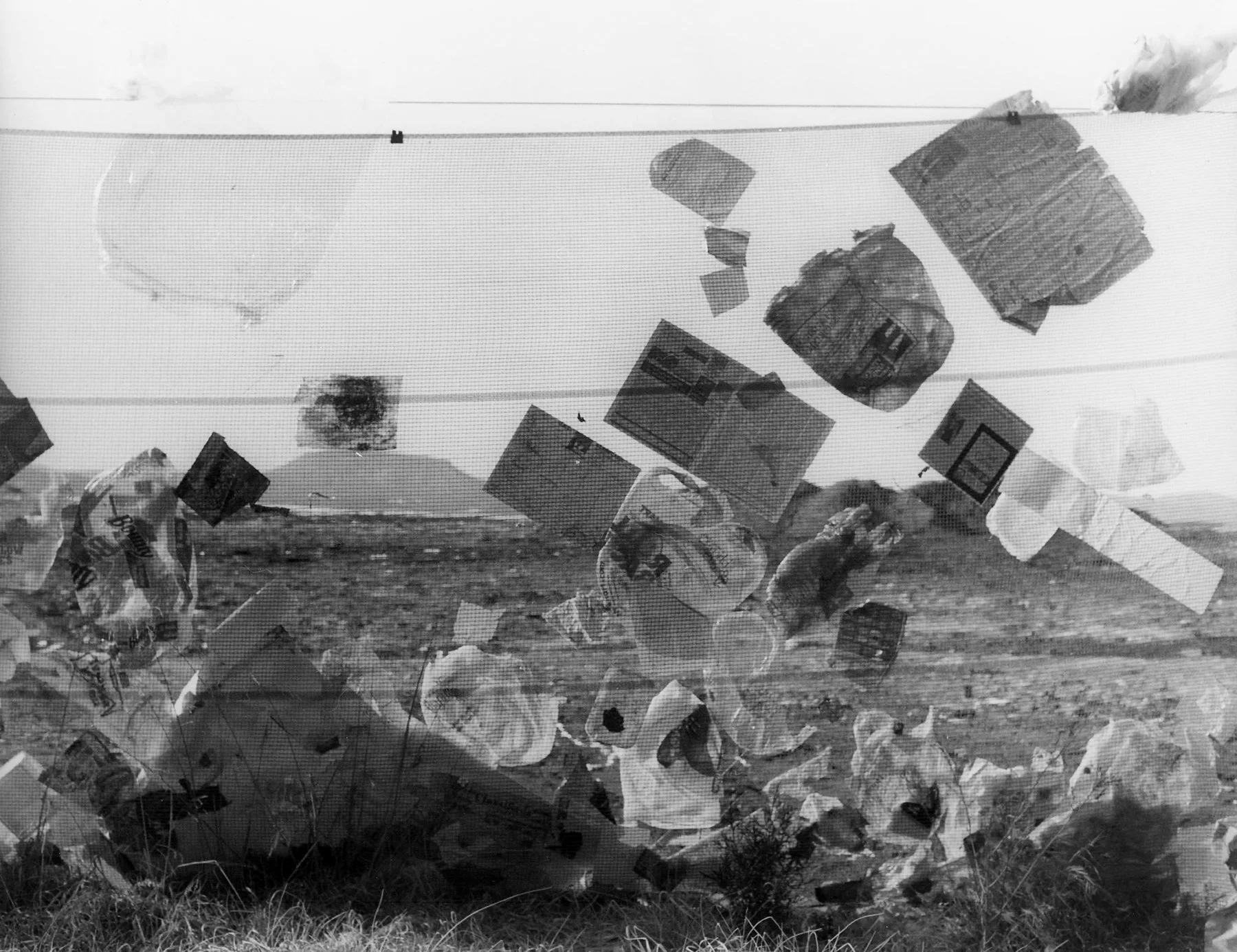
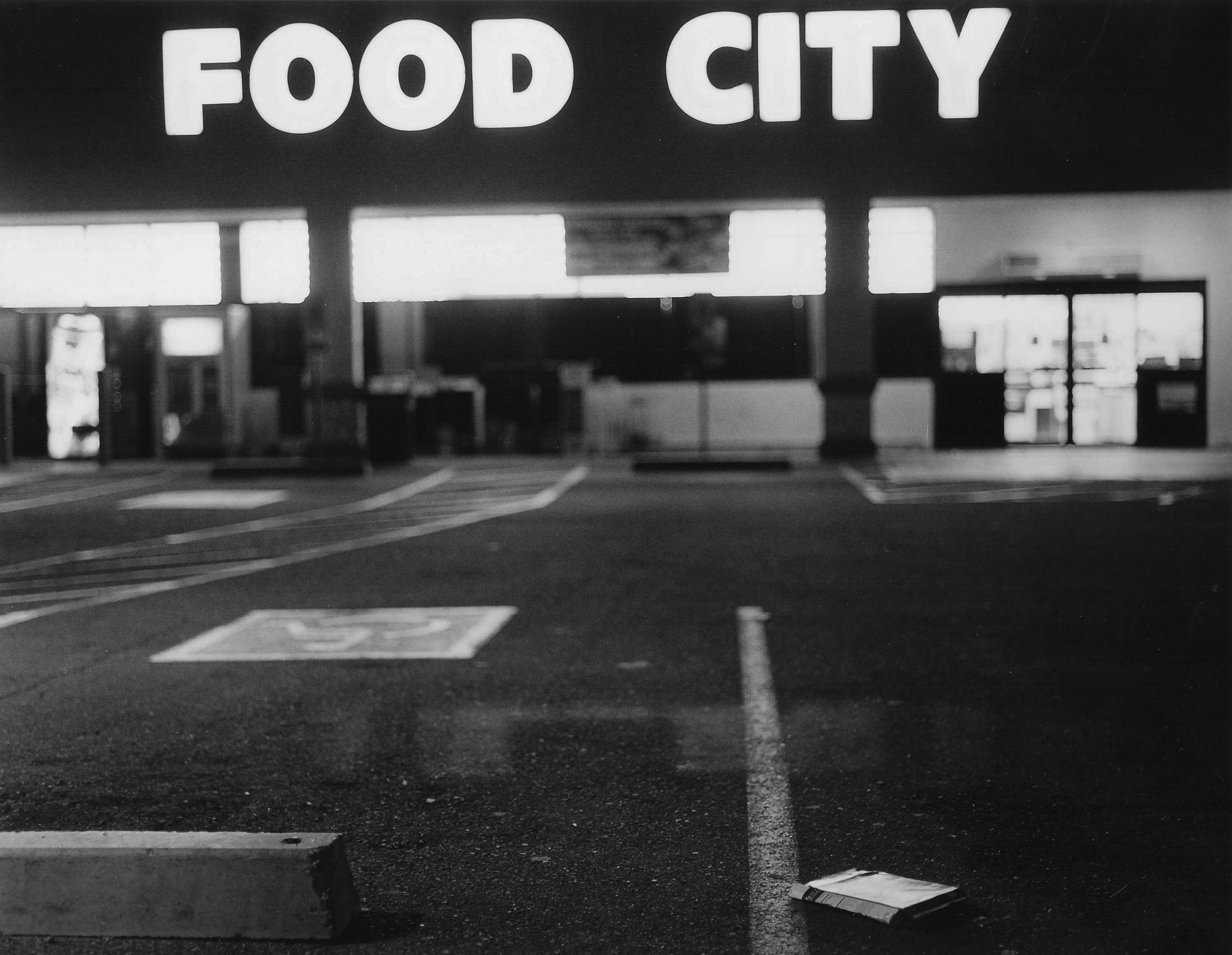
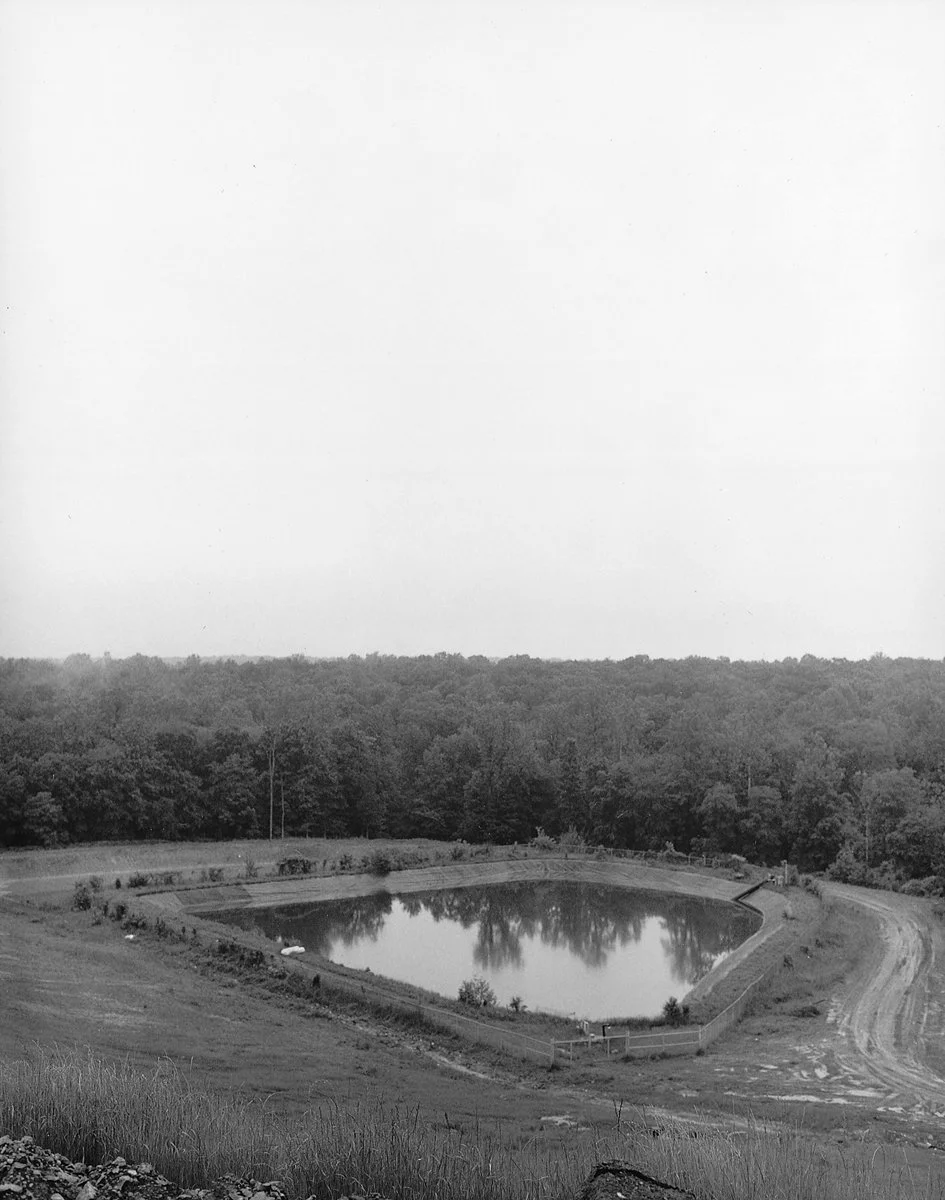
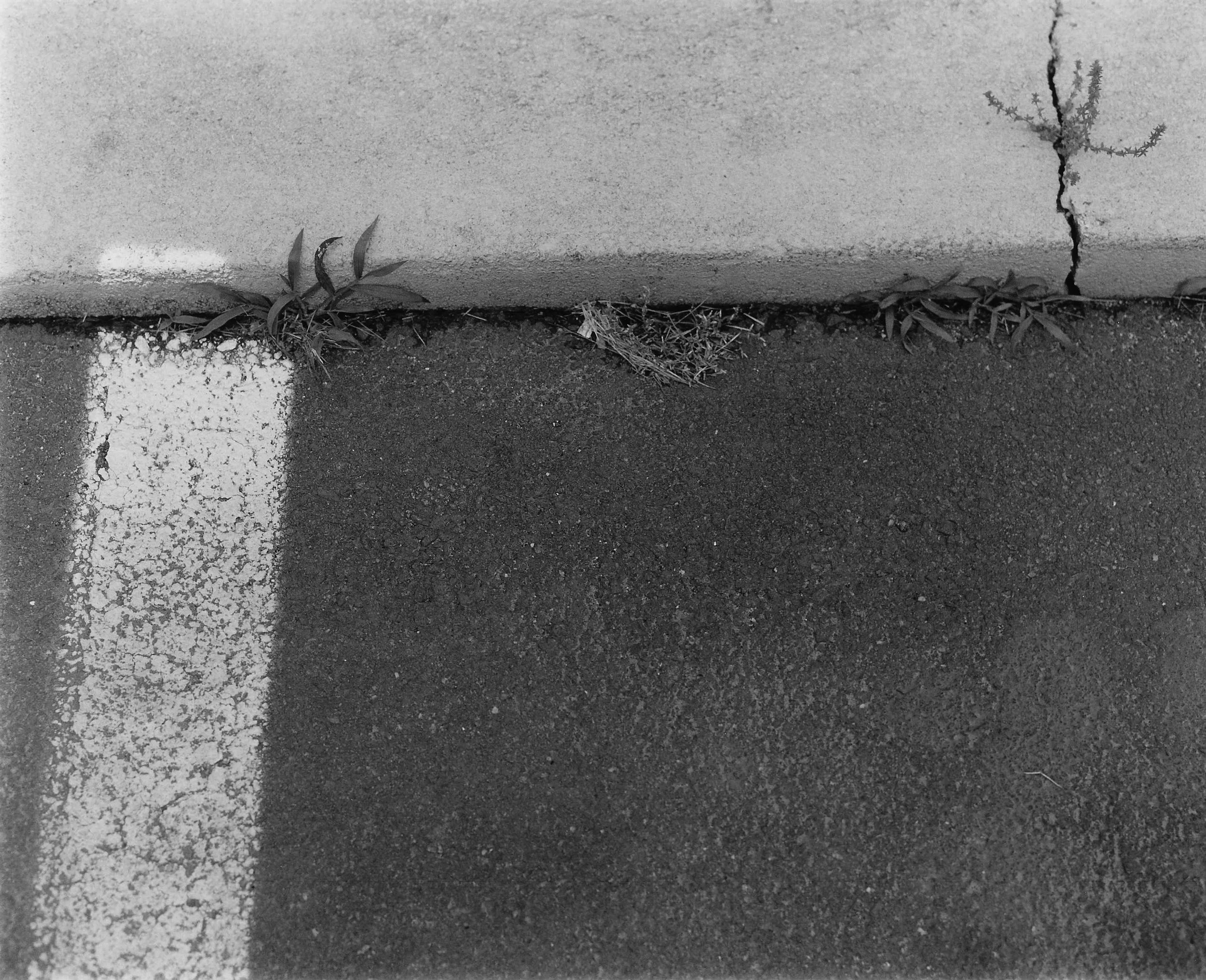
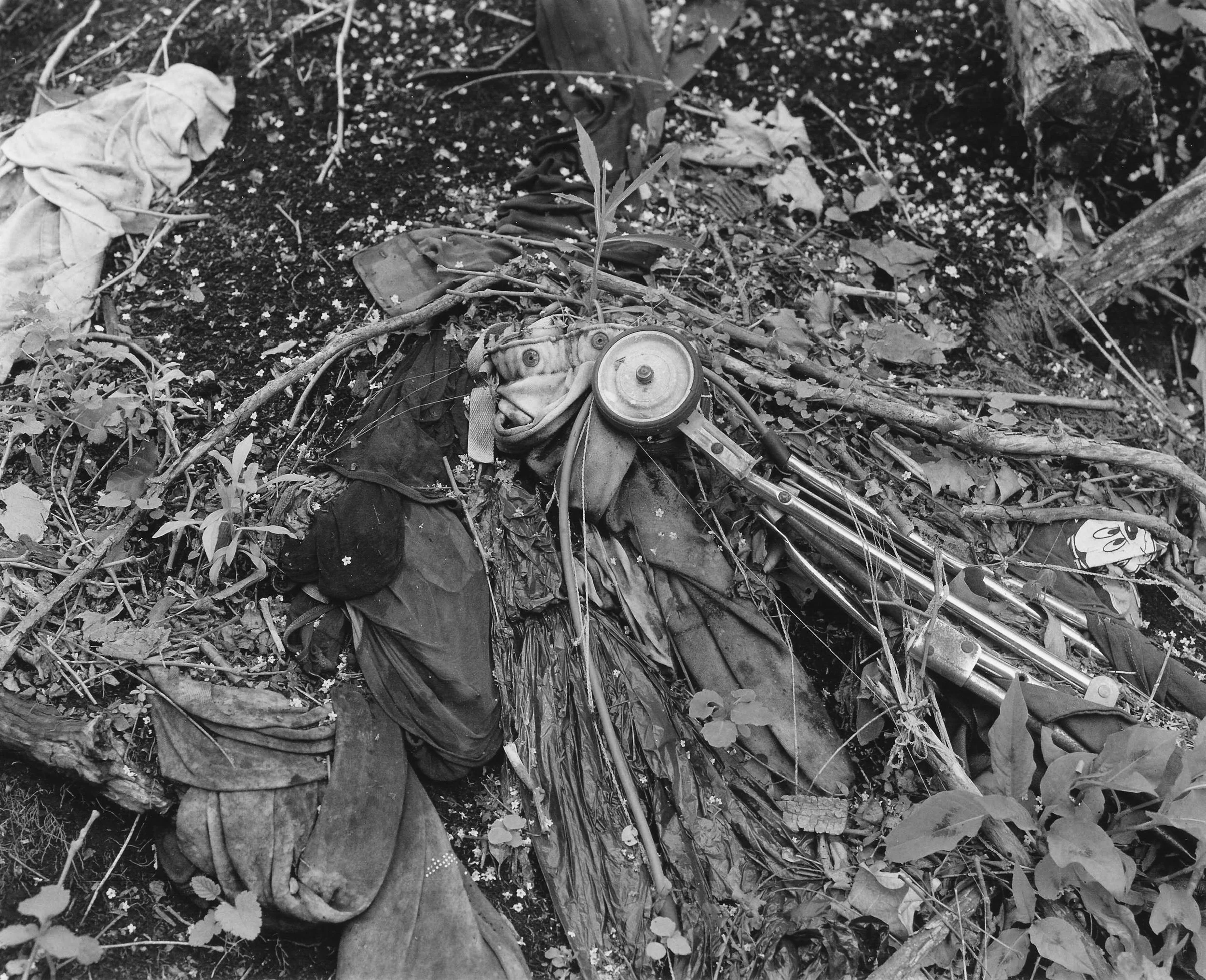
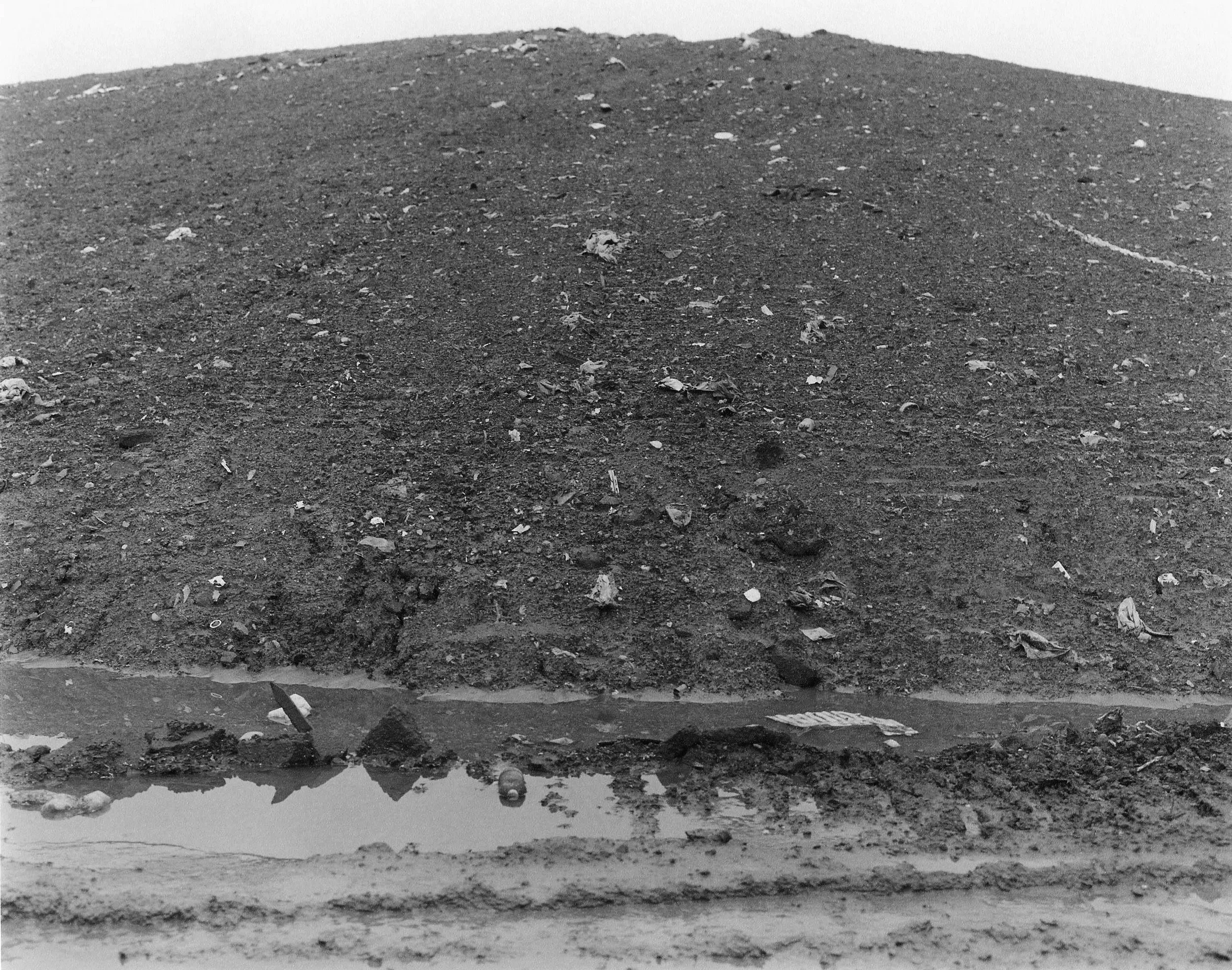
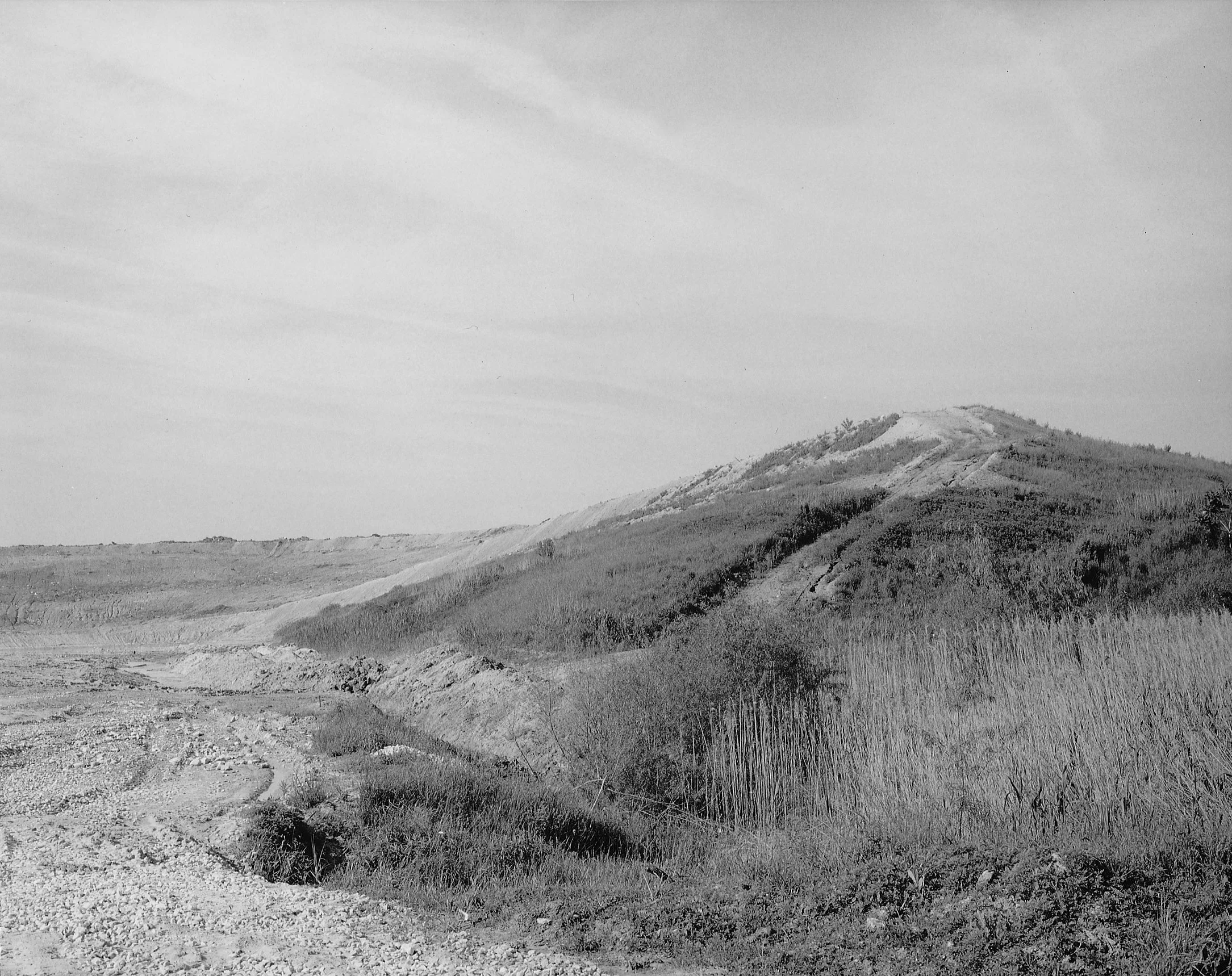
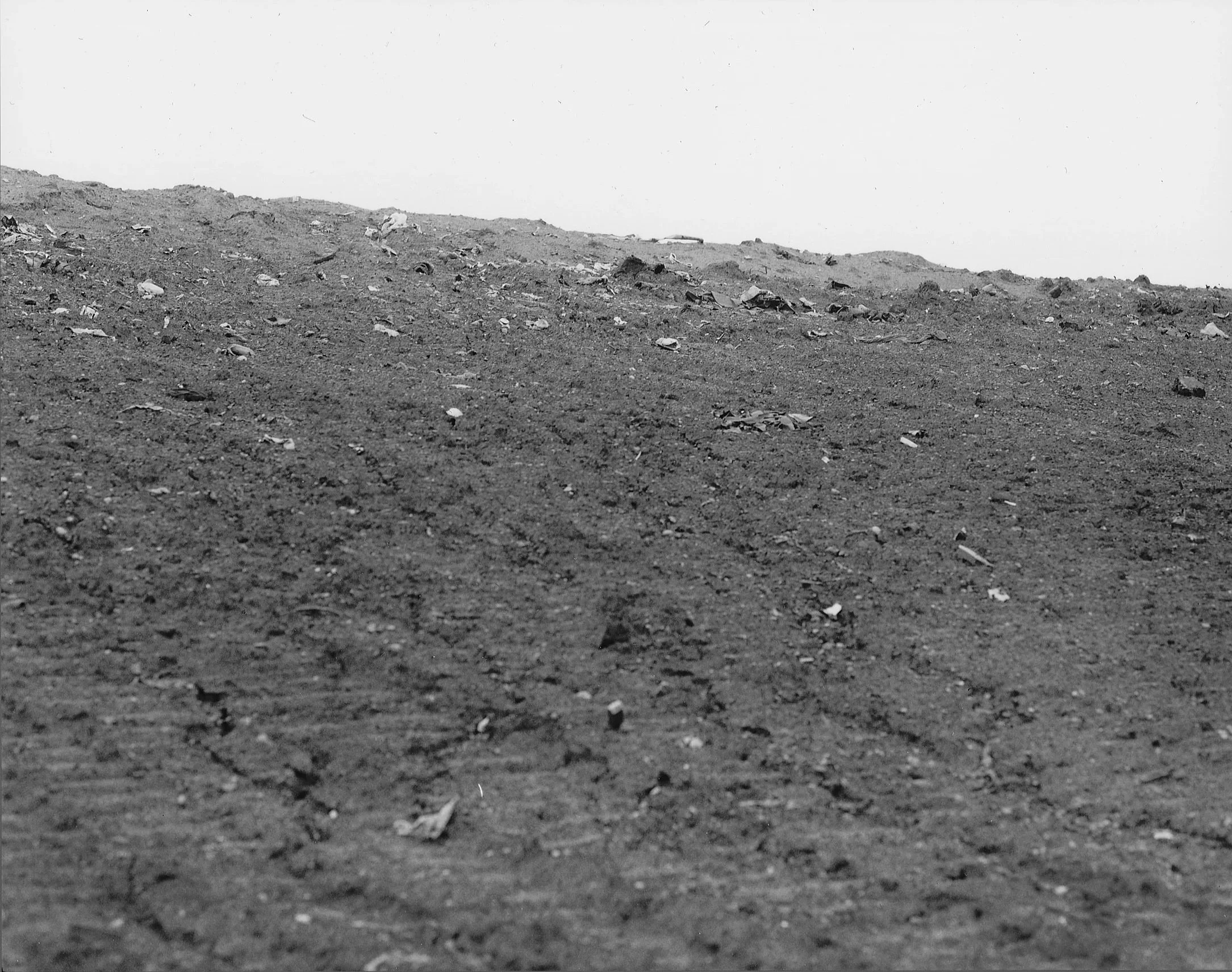
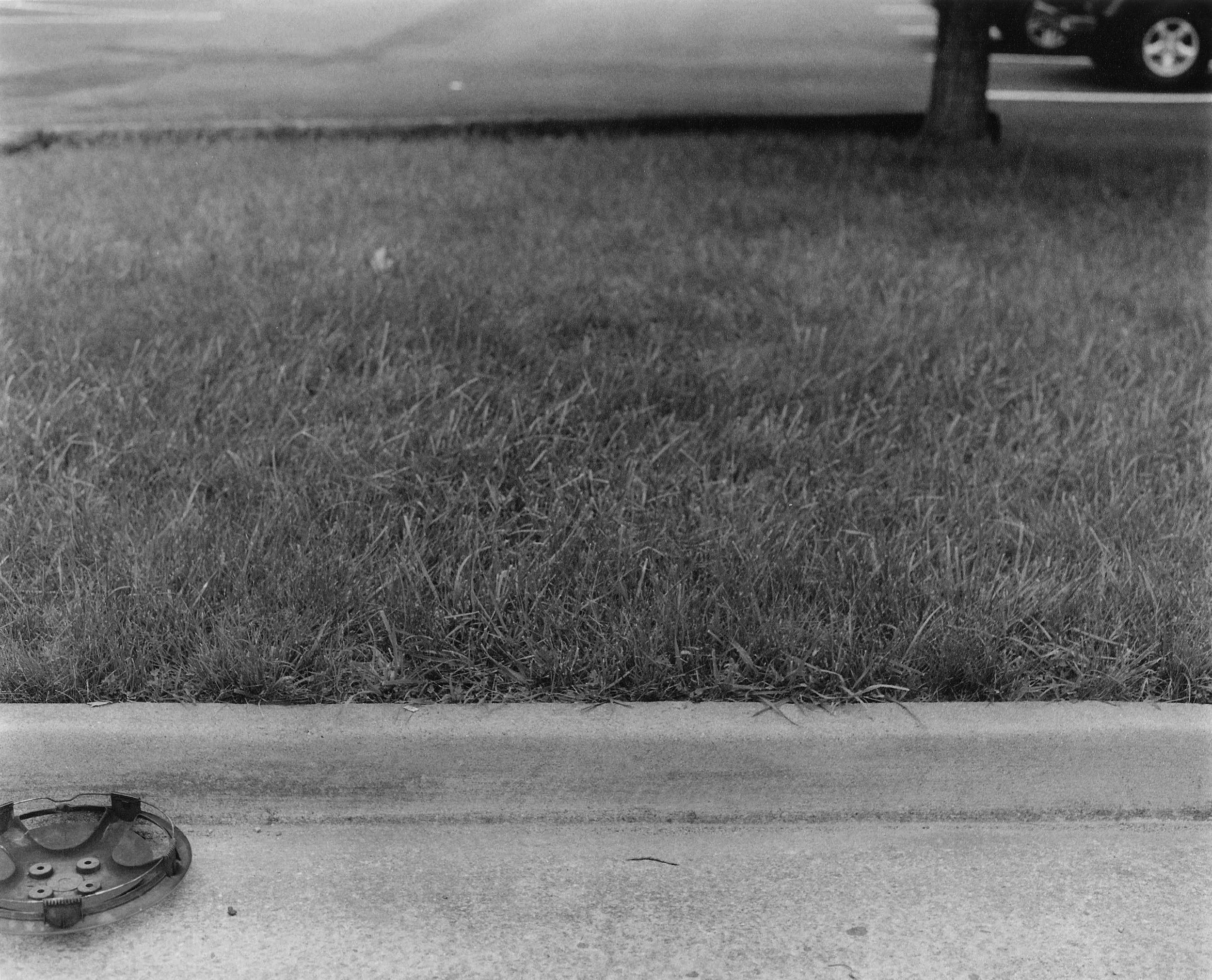
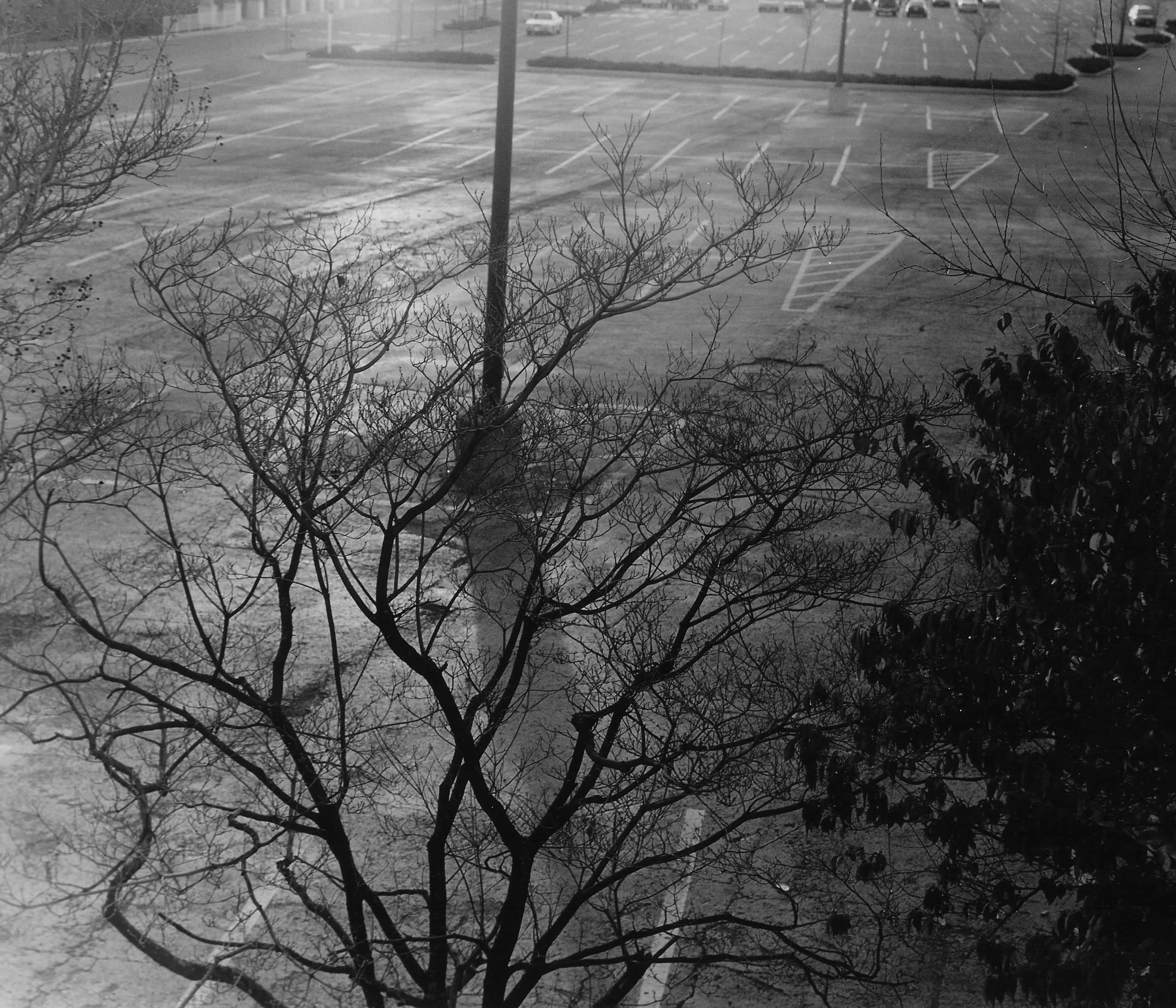
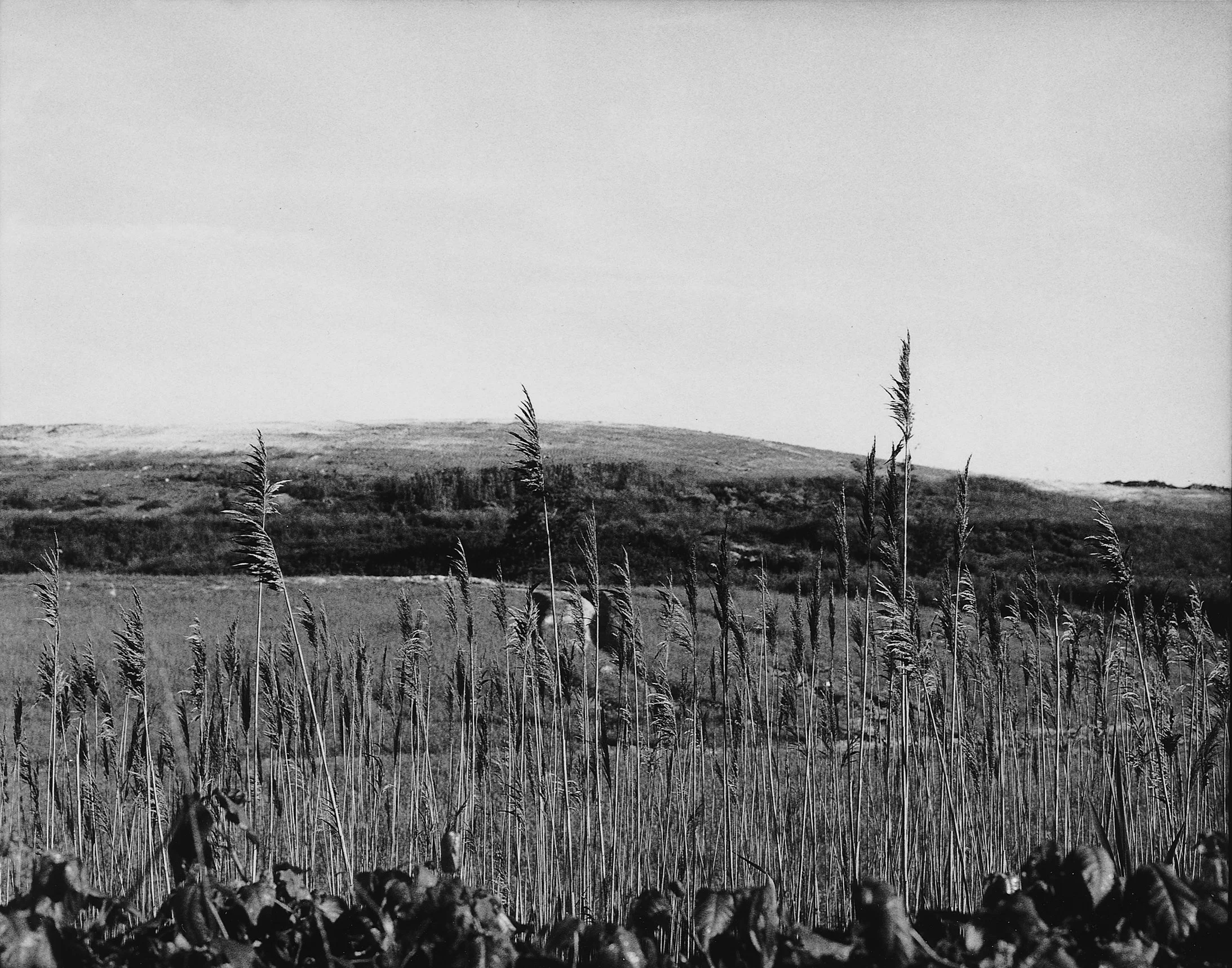
As I took more photographs, in high-end shopping malls, run-down strip malls, and ever-present superstores, I was asked on more than one occasion, usually by uniformed personnel, to stop. (It tends to make the ownership uneasy when a person, wielding an clunky, anachronistic camera, is walking around their store, notably purchasing nothing.) So I began to expand my territory, to cover more ground, taking pictures in the the strip malls, parking lots, and landfills that exist in and around the places where we buy, every day, more and more stuff.
No matter what the particular subject of these photographs, each one springs from the same pressing questions, namely: what, or whom, is being consumed here?
And if culture constitutes the shared set of beliefs, behaviors, customs and values that characterize a group or society, does “consumer culture” count as actual culture? Or is it, like artificial “intelligence,” a misnomer, pointing in many ways to the absence of what it is meant to signify?